Fun Crafts Ideas for Preschoolers
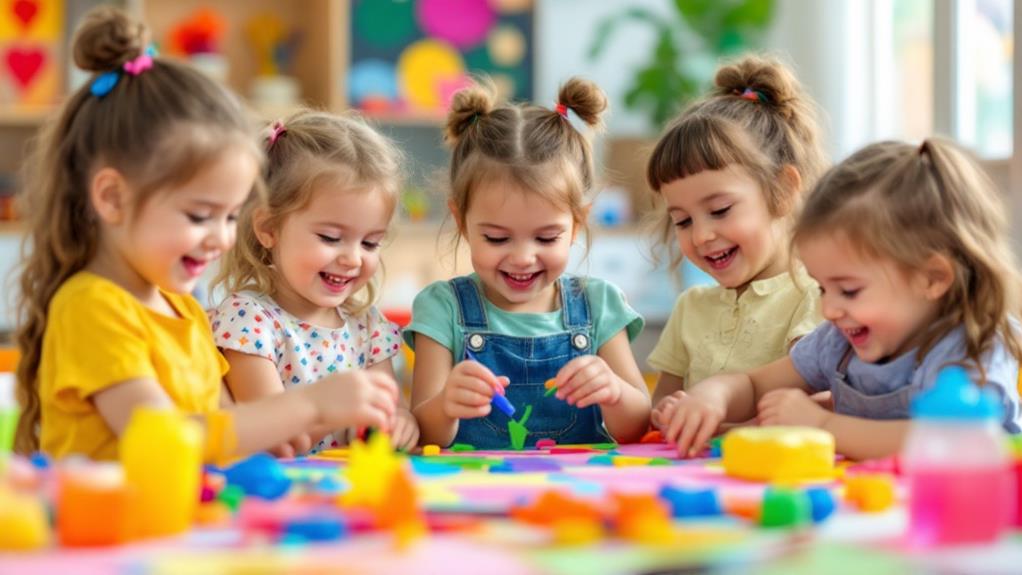
Crafting with preschoolers is a fantastic way to elevate their creativity and fine motor skills. You can start by making DIY stamps from paper rolls or bottle caps, which encourages pattern exploration. Try washi tape paper plates to teach color recognition, or let them create clothespin dragonflies to improve dexterity through painting and gluing. Melted bead suncatchers are another fun project that introduces melting and color mixing concepts. These activities not only support your child's development but also strengthen their confidence and social skills. There's so much more to uncover that can enrich their crafting experience even further!
Importance of Arts and Crafts
Arts and crafts play an integral role in your child's development. When your little one engages in fun crafting activities, they're not just creating art; they're also enhancing their fine motor skills. These hands-on projects require dexterity and grip strength, which are vital for daily tasks as they grow.
Crafting ignites creativity and imagination, allowing your child to investigate ideas freely. It's a wonderful outlet for self-expression, where they can showcase their individuality through unique creations. As they work on these projects, they also experience social-emotional growth, learning to share materials and collaborate with others. This interaction fosters effective communication, helping them articulate their thoughts and feelings.
Moreover, arts and crafts support cognitive development by enhancing recognition of colors, shapes, and patterns. These foundational skills lay the groundwork for future academic success. Completing craft projects elevates your child's confidence and self-esteem, as they feel a sense of accomplishment and receive positive feedback for their efforts. Engaging in arts and crafts not only enriches your child's skills but also creates cherished memories that you both will hold dear for years to come.
Enhancing Fine Motor Skills
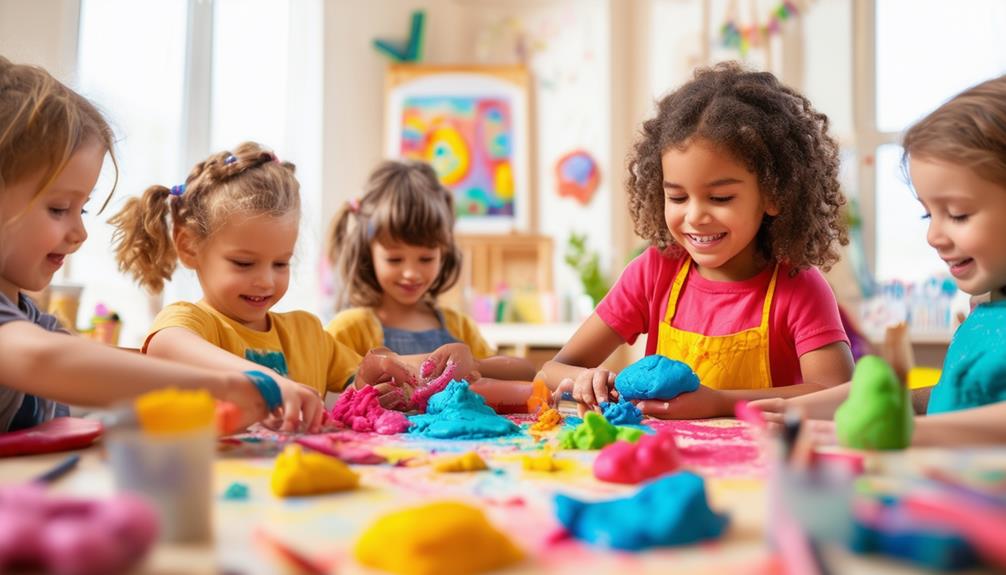
Crafting offers numerous opportunities to improve your child's fine motor skills, which are crucial for everyday activities. Engaging in crafts not only supports kids in developing their grip strength and dexterity but also enhances their hand-eye coordination. Moreover, activities like manipulating playdough can further strengthen hand and finger skills through squeezing and rolling, which are critical for tasks like writing and buttoning clothes develops fine motor skills through playdough. Here are some easy-to-make craft ideas that can increase fine motor skills:
- Threading beads or pasta onto strings helps refine dexterity and grip.
- Cutting paper shapes or folding origami develops precision and coordination.
- Gluing materials for collages or decorating with stickers promotes the use of the pincer grasp.
- Manipulating small objects, like clothespins or creating paper flowers, encourages finger movement practice.
Regularly participating in these activities lays a strong foundation for future academic success. As your child masters fine motor skills, they'll find tasks like writing, buttoning clothes, and using scissors much easier. By incorporating these fun crafts into your routine, you're not just keeping your kids entertained; you're also equipping them with crucial skills that will benefit them throughout their lives. So, gather some supplies and start crafting today!
Encouraging Creativity and Imagination
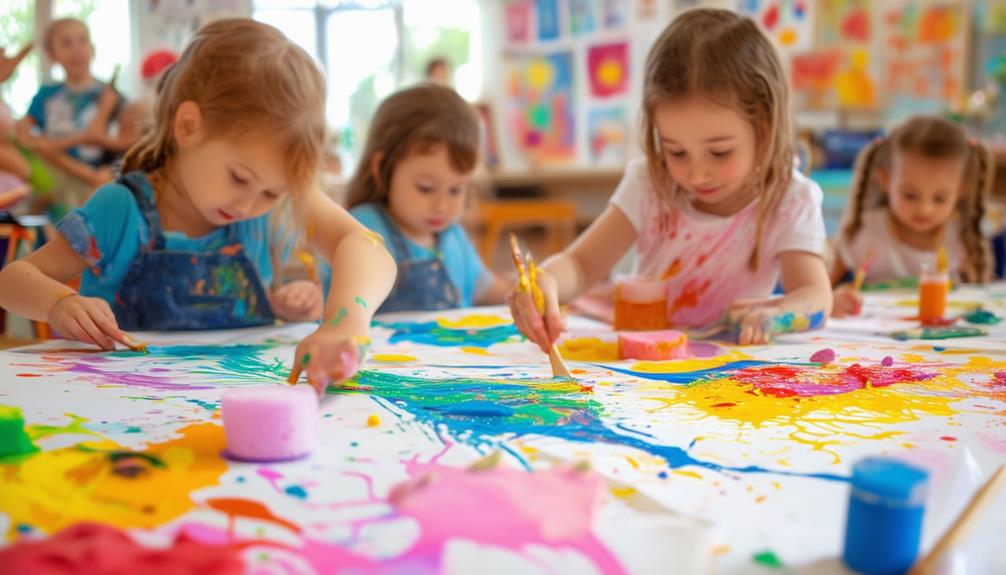
Encouraging creativity and imagination through hands-on activities opens up a world of investigation for preschoolers. Engaging in crafts for kids allows them to express their ideas freely, which fosters critical thinking and problem-solving skills. Simple crafts like painting or sculpting not only encourage creativity but also serve as an outlet for personal expression. Through these art projects, children communicate their thoughts and feelings visually, improving their emotional intelligence. Furthermore, engaging in activities like playdough can enhance their fine motor skills and cognitive development, making the crafting experience even more enriching as they experiment with textures and colors sensory experiences.
When you provide opportunities for inquiry and experimentation, preschoolers learn to think outside the box. They find that making mistakes is part of the process, increasing their confidence. As they work through step-by-step crafting processes, they develop patience and focus, leading to a rewarding sense of accomplishment upon completion.
Moreover, imaginative play during crafting sessions promotes social interaction and teamwork. Children collaborate with their peers, sharing creative ideas and learning from one another. This cooperative spirit enriches their crafting experience and helps build strong social skills. By encouraging creativity and imagination, you're giving preschoolers the tools they need to investigate their world and express themselves confidently.
Promoting Self-Expression
When preschoolers engage in creative projects, they find a powerful outlet for self-expression that allows them to communicate their thoughts and feelings in a tangible way. Fun crafts like making paper plate masks or sock puppets encourage emotional exploration, helping kids express themselves freely. By personalizing their creations, they develop a sense of ownership and individuality.
Consider these ways to promote self-expression through arts and crafts:
- Narrative Development: Craft projects give children the chance to create their own stories, enhancing their storytelling abilities.
- Unique Perspectives: Activities like painting rocks or creating DIY bird feeders allow kids to showcase their individuality.
- Collaborative Experiences: Group crafting fosters sharing and communication, improving their ability to articulate ideas in a team.
- Experimentation: The crafting process lets preschoolers experiment with colors, shapes, and materials, encouraging emotional exploration.
You'll notice they love making things that reflect who they are. By providing opportunities for self-expression through preschool crafts, you're helping them build confidence and a deeper understanding of their emotions.
Developing Cognitive Skills
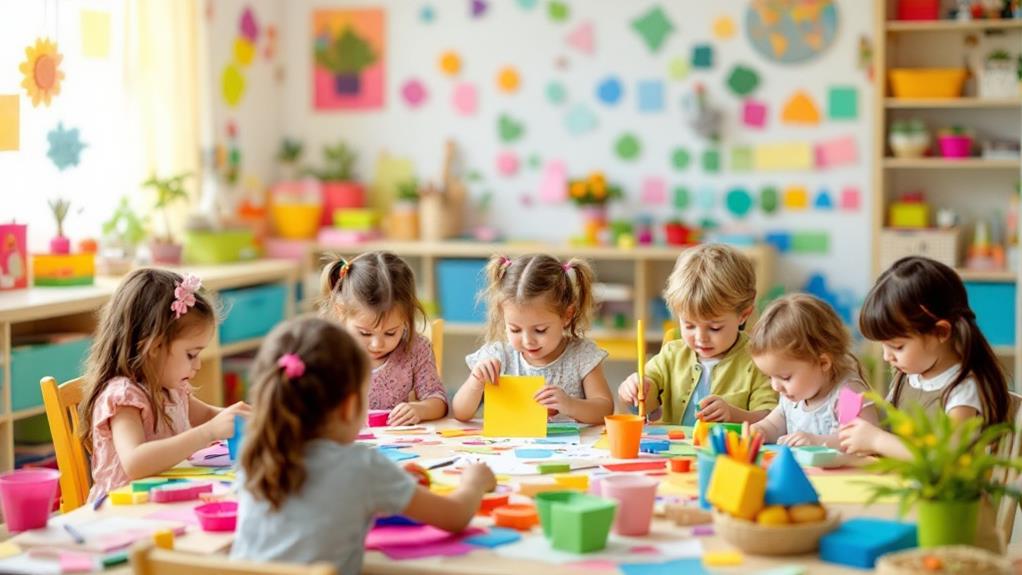
Through creative projects, preschoolers not only express themselves but also develop fundamental cognitive skills. Activities involving everyday materials like paper plates, construction paper, and pipe cleaners help children improve their recognition of colors, shapes, and patterns. These foundational skills are critical in cognitive development, giving your little ones a head start.
As they engage in these art activities, they also stimulate visual-spatial awareness, learning how different objects relate to one another in space. Planning and executing their craft ideas step-by-step encourages logical reasoning and sequential thinking. For instance, when using pipe cleaners to create shapes, they must think ahead about how to assemble their designs.
Crafting projects also provide opportunities for problem-solving, as children navigate challenges like fixing a mistake or figuring out how to attach materials. This hands-on approach makes abstract concepts more tangible and understandable, allowing preschoolers to integrate learning with practical activities. So, regardless of whether they're cutting construction paper or gluing items onto paper plates, each project is a chance for cognitive growth. Encourage your preschoolers to investigate these crafts, and you'll see their thinking skills blossom!
Boosting Confidence and Self-Esteem
Crafting not only sparks creativity but also considerably improves preschoolers' confidence and self-esteem. When your child completes craft projects, they gain a sense of accomplishment that can greatly elevate their confidence. Positive feedback from you and their peers reinforces their belief in their abilities, encouraging them to take creative risks.
Here's how crafting helps build their self-esteem:
- Personal Expression: Engaging in arts and crafts allows children to express themselves, fostering individuality and pride in their unique creations.
- Resilience Building: The iterative process of crafting teaches kids that mistakes are part of learning, helping them become more resilient.
- Sense of Accomplishment: Finishing a craft project gives children a tangible sense of achievement, which improves their self-worth.
- Teamwork: Participating in group crafting activities promotes social interaction, helping children build friendships and improving their self-esteem through shared experiences.
Fostering Social Skills
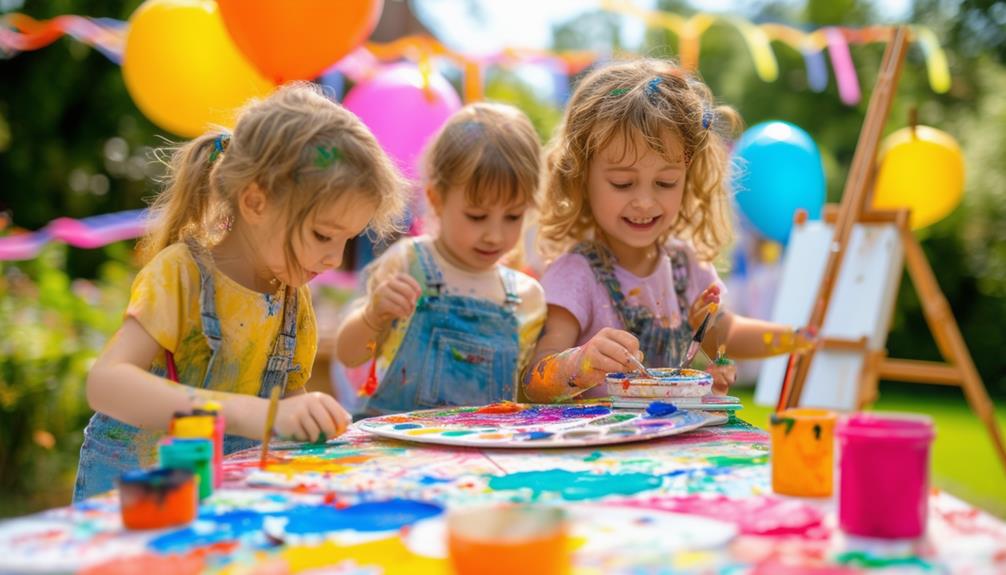
Social skills are vital for preschoolers as they navigate their early interactions, and group crafting activities serve as a fantastic platform for developing these significant abilities. When you gather children to create a project together, like making a collage with colored paper and googly eyes, they learn to share materials and take turns. For instance, while crafting a fun paper plate animal, kids can practice cooperation as they glue the twigs for legs or share crayons for decoration.
These group projects encourage effective communication, helping children express their ideas and negotiate creative choices. If disagreements arise, they'll have the chance to resolve conflicts, enhancing their problem-solving skills. As they work together, friendships blossom, and community ties strengthen, providing a supportive environment for social-emotional growth.
Engaging in easy and fun crafts like friendship bracelets or collaborative murals fosters empathy, as preschoolers learn to appreciate each other's perspectives. By participating in these activities, your little ones will not only enjoy the creative process but also build vital social skills that will benefit them in their interactions for years to come.
DIY Craft Projects
DIY craft projects are a fantastic way to spark creativity in preschoolers while also enhancing their fine motor skills. These engaging activities teach children valuable skills and concepts, keeping them entertained for hours. Here are some fun DIY craft projects you can try:
- DIY Stamps: Use paper rolls and bottle caps to create unique stamps, encouraging pattern exploration.
- Washi Tape Paper Plates: Transform plain plates into colorful art, helping children recognize colors and combinations.
- Clothespin Dragonflies: Combine painting with gluing to create cute insects, enhancing dexterity as kids manipulate each component.
- Melted Bead Suncatchers: Introduce melting and color mixing concepts while making beautiful decorations for windows.
Another great option is making Painted Pasta Necklaces, where children can use acrylic paint to color pasta, then thread it onto a string. This project not only promotes fine motor skills but also results in a fun, wearable piece of art. By engaging in these DIY craft projects, you're not just keeping your little ones busy; you're nurturing their creativity and problem-solving abilities in a hands-on way.