The Best Paintbrushes and Tools for Little Hands
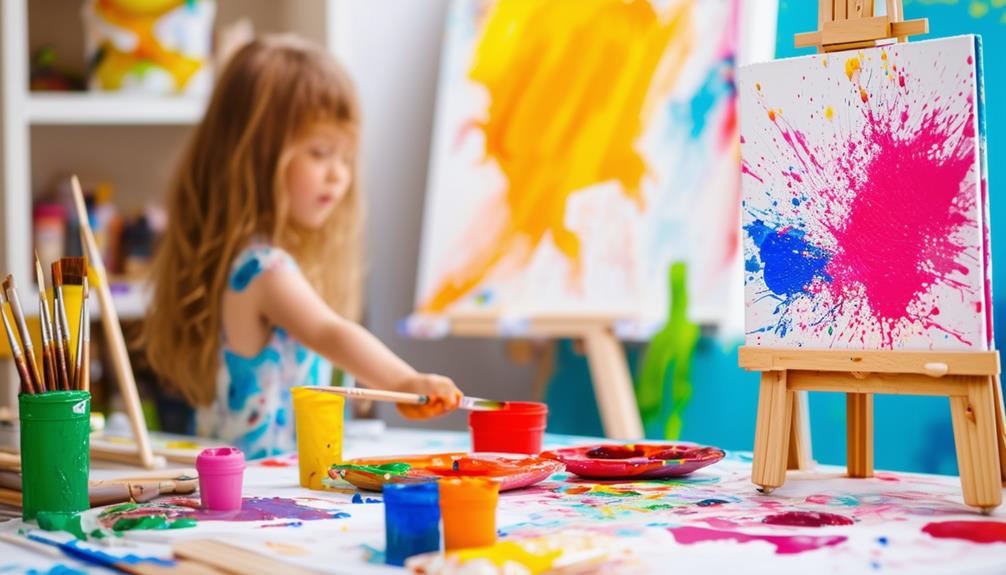
When selecting paintbrushes and tools for young artists, it's crucial to choose options that cater to their small hands and developing skills. Brands like Honeysticks and Alex Toys offer ergonomic and soft-bristled brushes that are ideal for toddlers. But what distinguishes a round-bristle brush from a flat-bristle one, and how can stipple brushes enhance textural creativity? Understanding these nuances can significantly influence your child's artistic growth. Are synthetic bristles better than natural ones for little hands? Let's explore how the right tools can foster their creativity.
Honeysticks My First Paint Brush
Honeysticks' My First Paint Brush Set is perfect for introducing young children to the joys of painting in a safe and enjoyable manner. Designed specifically for babies and toddlers aged one to three, these paint brushes cater to budding little artists. The ergonomic handles ensure that small hands can grip and manage the brush easily, making every art project delightful.
You'll appreciate that these brushes are made from natural wood and feature vegan bristles, ensuring they are cruelty-free. Additionally, they come in a sturdy, plastic-free storage container, keeping the set environmentally friendly and easy to store. Each brush measures 2.1 x 2.1 x 5.5 inches, ideal for small hands, giving your child the confidence to explore their creativity.
Safety is a top priority with Honeysticks. The set uses non-toxic, food-grade pigments for color, and the natural fragrance of pure beeswax adds a pleasant touch. This means you can rest assured that your child's art supplies are entirely safe. Whether it's their first scribble or a more intricate art project, Honeysticks' My First Paint Brush Set offers a fun, secure, and eco-friendly way for your young artists to express themselves.
Alex Toys Funky Brushes
While Honeysticks' My Initial Paint Brush Set focuses on simplicity and safety, Alex Toys Funky Brushes offer a burst of creativity with their unique, textured designs. This set includes three brushes, each featuring non-traditional tops that allow children to experiment with creating wild and imaginative textures. The chunky handles are perfect for small hands, making it easy for young artists to grip and maneuver as they explore their artistic skills.
Parents appreciate these funky brushes for their practicality and fun factor. The soft bristles provide gentle strokes on paper, ensuring they are safe for even the youngest children. Additionally, clean-up is simple, eliminating concerns about lingering paint stains.
Alex Toys Funky Brushes deliver an interactive and engaging painting experience. Children will enjoy discovering different textures and patterns, fostering their creativity and fine motor skills. Whether painting squiggly lines or bumpy patterns, these brushes offer a delightful introduction to the world of art. Prepare for some messy, colorful fun!
Round-Bristle Brushes
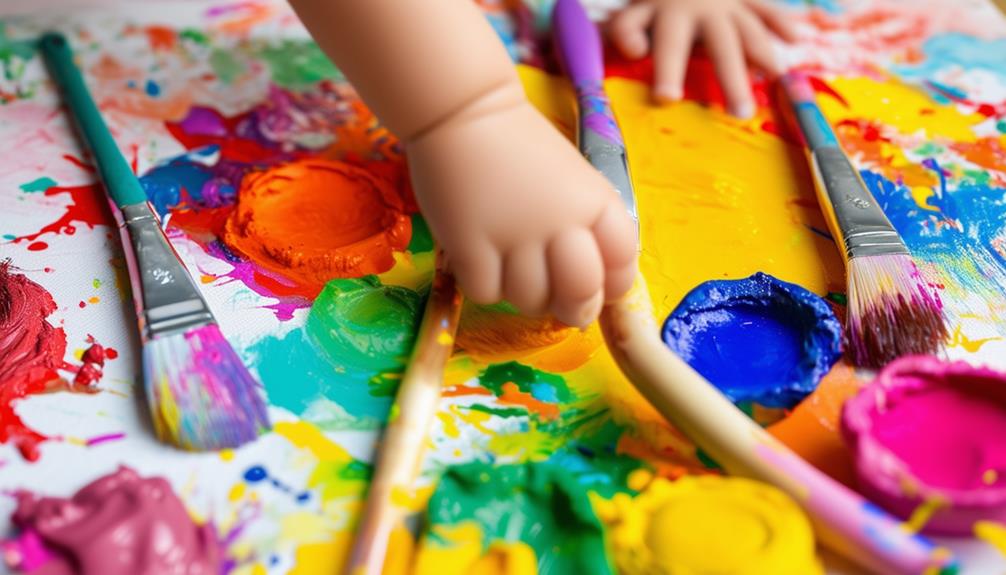
Round-bristle brushes are versatile tools ideal for general-purpose painting. Perfect for creating fine lines and washes, they excel in detailed work. Available in various sizes, they suit any painting project, ensuring you have the right tool for every task.
General-Purpose Painting Versatility
Round-bristle brushes offer unmatched versatility, making them perfect for diverse painting techniques and blending colors. When selecting art materials for young artists, a good brush set with round-bristle brushes is essential. These brushes are adaptable, allowing children to experiment with various strokes and mediums effortlessly. Whether using watercolor, acrylic, or tempera, round-bristle brushes handle it all, making them a staple in any budding artist's toolkit.
One of the standout features of round-bristle brushes is their ability to create a range of brush strokes. From fine lines to broad swaths of color, these brushes adjust to the pressure applied, giving young artists the freedom to explore different painting methods. Their rounded tips make blending colors easy, fostering creativity and improving painting skills.
Round-bristle brushes come in different sizes, providing flexibility in painting techniques. This variety means you can choose the perfect brush for any project, whether painting broad backgrounds or adding intricate details. Being easy to handle, they are perfect for beginners and children learning to paint. Artists of all levels use these brushes, reinforcing their status as versatile and indispensable tools in any art collection.
Ideal for Detailed Work
Not only do round-bristle brushes offer versatility, but they also excel in detailed work, making them ideal for intricate designs and fine lines. When your young artist wants to create precise patterns or add tiny finishing touches, a round-bristle brush is the tool to reach for. The pointed tip of these brushes allows for exceptional control, enabling your child to draw delicate lines and detailed shapes with ease. This makes their art projects not only detailed but also enjoyable as they explore their creativity.
Round-bristle brushes are incredibly versatile and can be used for various painting techniques, whether your child is experimenting with watercolors, acrylics, or oil paints. These brushes are suitable for both beginners and more experienced young artists, eliminating concerns about skill level. The versatility and precision they offer make them an essential tool for any young artist's toolkit.
Incorporating round-bristle brushes into your child's art supplies can significantly improve their ability to execute detailed work, allowing them to bring their imaginative ideas to life with finesse. So, if you're looking for a brush that can handle detailed work and make painting fun, round-bristle brushes are the way to go.
Flat-Bristle Brushes
Why are flat-bristle brushes essential for young artists? These versatile tools allow children to explore various brush strokes and blending techniques, which are crucial for developing their painting skills. Flat-bristle brushes are ideal for creating fine lines and washes, making them perfect for beginners experimenting with different painting styles. Using these brushes helps children enhance their fine motor skills and better control their brush movements.
For artistic precision, flat-bristle brushes offer the control needed for detail work and outlining. Their unique shape and design enable kids to create clean, sharp edges, building their confidence and painting skills. These brushes allow young artists to seamlessly switch between broad strokes and intricate details, fostering their creativity.
Flat-bristle brushes also support artistic growth by offering a broad range of applications. From bold, sweeping strokes to delicate highlights, these brushes encourage experimentation and learning. Providing children with flat-bristle brushes sets them up for success as they develop and evolve as artists.
Stipple Brushes
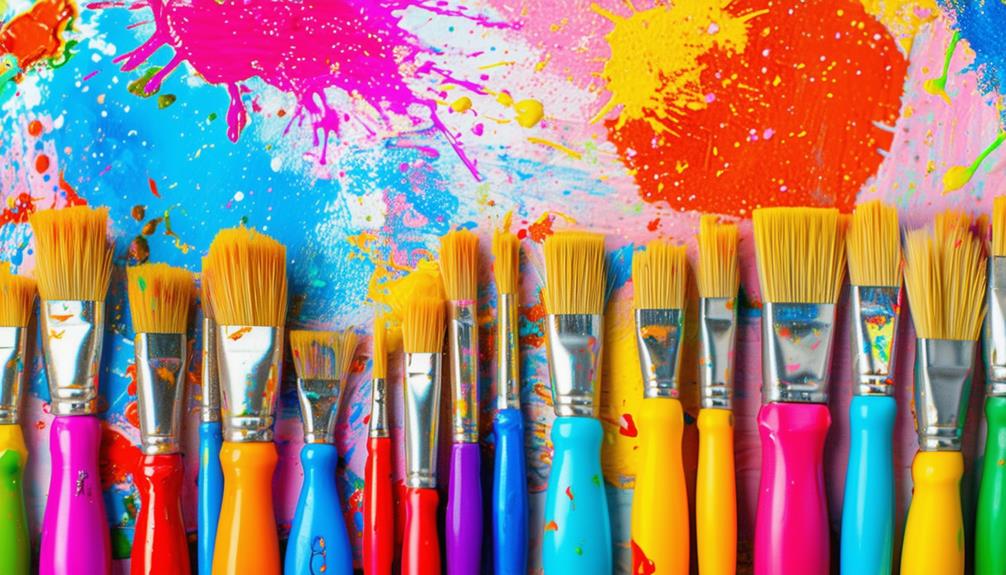
Stipple brushes, with their short, stiff bristles, are perfect for adding textured effects and depth to your paintings. Designed specifically for stippling, dabbing, and creating unique patterns, these brushes are ideal for transforming a flat canvas into a dynamic piece of art with intricate details.
Versatile and effective with various mediums like acrylics, watercolors, and mixed media, stipple brushes are a favorite among artists seeking to add dimension to their work. Their ability to produce textured effects makes them especially valuable in acrylic painting.
Here's a quick guide to understanding stipple brushes:
| Feature | Description | Benefit |
|---|---|---|
| Bristle Type | Short, stiff | Ideal for creating textures |
| Best for Mediums | Acrylic, oil, watercolor, mixed media | Versatile use |
| Techniques | Stippling, dabbing, unique patterns | Adds depth and dimension |
| Suitable for | Different surfaces | Broad application possibilities |
Stipple brushes allow you to achieve diverse, unique patterns that bring your artwork to life. They are particularly beneficial for young artists, as the tactile nature of stippling can help develop fine motor skills and creativity. Encourage your little ones to explore the joy of textured effects in their next masterpiece!
Wash and Mop Brushes
Introducing wash and mop brushes to young artists can be a game-changer, as these tools are excellent for covering large areas and creating soft, flowing strokes. Available in various sizes, they are versatile and suitable for different watercolor techniques. Their capacity to hold a significant amount of paint or water makes them perfect for blending and producing beautiful, fluid effects.
Types and Varieties
When painting expansive skies or gentle hillsides, wash and mop brushes are indispensable for covering large areas and creating smooth gradients. These brushes come in various types and designs to meet different needs, including those of children. Child-friendly designs ensure young artists can use these tools comfortably and without frustration. Look for ergonomic handles that fit well in small hands and reduce strain during extended painting sessions. Soft bristle options are perfect for delicate applications, making them ideal for children developing their fine motor skills.
Wash brushes are typically flat or angled, allowing for precise coverage and sharp lines. In contrast, mop brushes have round, full heads that hold a significant amount of paint, making them perfect for broad, sweeping strokes and smooth color blending. Both types are commonly used in watercolor techniques for creating beautiful background washes. Here's a quick comparison of some popular options:
| Brush Type | Key Feature | Ideal For |
|---|---|---|
| Flat Wash | Large surface coverage | Watercolor backgrounds |
| Angled Wash | Sharp lines and details | Acrylic layers |
| Round Mop | Holds lots of paint | Broad, sweeping strokes |
| Oval Mop | Soft, even application | Smooth gradients |
| Mini Mop | Precision in small areas | Detailed blending |
These brushes ensure versatility and ease, catering to both budding and experienced artists alike.
Ideal Uses
Exploring the ideal uses of wash and mop brushes can help you achieve stunning effects in your watercolor paintings. These tools are perfect for beginner and young artists looking to expand their artistic expression. Wash brushes are designed to cover large surface areas with watercolor paints, making them essential for creating broad, even washes of color. Mop brushes, on the other hand, excel at producing soft, blended effects, adding a touch of magic to your artwork.
Here are key ways to use these brushes to improve your watercolor techniques:
- Cover Large Areas: Use wash brushes to lay down large sections of color quickly and smoothly.
- Create Soft Blends: Mop brushes are excellent for seamlessly blending colors and creating smooth transitions.
- Add Texture: Experiment with different pressures and motions to incorporate intriguing textures into your work.
- Explore Creative Possibilities: Both brushes allow artists to experiment with diverse effects and techniques, fostering creativity.
With their soft, absorbent bristles, wash and mop brushes provide a versatile toolset for any budding artist. By mastering these brushes, you'll unlock a world of creative possibilities in your watercolor paintings.
Key Features
Wash and mop brushes feature gentle, absorbent bristles designed specifically for watercolor artists. These brushes are ideal for efficiently covering large areas, making them perfect for small hands that might struggle with smaller, more detailed brushes. The soft bristles hold a generous amount of water and paint, ensuring seamless and uniform coverage on your paper. This helps young artists achieve consistent results without frustration.
Wash brushes glide effortlessly across the paper, making them excellent for wide strokes and washes. In contrast, mop brushes are exceptional for creating soft, blended effects, crucial for many watercolor techniques. These brushes are perfect for crafting gradients and smooth transitions between colors, allowing your child to experiment with and discover various artistic styles.
Available in a variety of sizes, wash and mop brushes meet a range of painting needs and styles. Whether your child is working on a large background or refining their blending skills, there is a brush that will suit their requirements. By choosing the right tools, you are setting your young artist up for success and fostering their creative growth.
Varnish Brushes
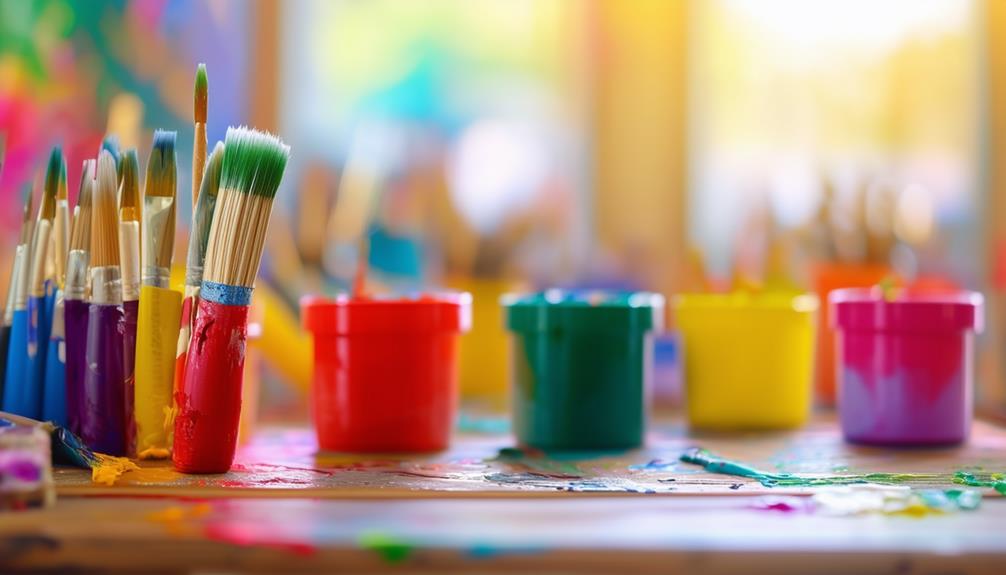
Varnish brushes are essential for giving your artwork a polished finish. These brushes feature long, flat bristles ideal for even varnish application across various surfaces. Proper care and the right choice of varnishes are crucial for achieving optimal results. Maintaining your varnish brush ensures its longevity and consistent performance.
Employing specific techniques can enhance your varnish application. Consistent, smooth strokes without overloading the brush are key. Regular maintenance, such as thoroughly cleaning the bristles after each use, keeps the brush in prime condition.
When selecting a varnish brush, consider the size and type of bristles. Synthetic bristles are generally more durable and provide a smoother finish. Here are some essential tips for choosing the right brush and applying varnish finishes:
- Size matters: Select a brush size that corresponds to your project's surface area.
- Synthetic bristles: Choose synthetic bristles for a smoother, more even application.
- Load correctly: Avoid overloading the brush; it should hold enough varnish for efficient coverage without dripping.
- Clean with care: Proper cleaning extends the brush's life and ensures better performance.
Individual Paintbrushes
When selecting individual paintbrushes, you'll find a variety suited for all skill levels, making them ideal for young artists. These brushes offer numerous benefits, including the ability to create fine details and precise lines, enhancing any art project. With options like synthetic, natural, and foam bristles, your child can explore different painting techniques and mediums with ease.
Varieties for All Ages
For artists at any stage, selecting the right paintbrush can significantly impact the realization of creative ideas. When catering to young children, consider features that ensure both enjoyment and safety.
- Child-Friendly Designs and Ergonomic Handles: Brushes designed for children often feature ergonomic handles that are easier for small hands to grip. These designs reduce hand fatigue, making painting sessions more comfortable.
- Safety Features and Non-Toxic Materials: Prioritize safety by choosing brushes made from non-toxic materials. This ensures that even if a child puts a brush in their mouth, it won't pose any health risks.
- Colorful Options and Fun Patterns: Stimulate your child's imagination with brushes that come in vibrant colors and playful patterns. These visual elements make the brushes more appealing and encourage creativity.
When selecting paintbrushes, it's crucial to match the brush type to the intended painting technique. Round-bristle brushes are versatile and suitable for general use, while flat-bristle brushes are ideal for creating fine lines and washes. For specific effects, stubby, stipple, or stencil brushes are excellent choices. Lastly, wash or mop brushes are perfect for covering large areas and for watercolor techniques.
Benefits of Individual Brushes
Opting for separate paintbrushes allows you to tailor your painting tools to your child's specific artistic needs and preferences. This flexibility enables you to select the ideal brush size and shape for various painting techniques, thereby enhancing creativity and skill development. Whether your child focuses on fine details or broad strokes, individual brushes offer a personalized approach to their artistic toolkit.
One of the primary benefits of using individual paintbrushes is their longevity. High-quality brushes, when properly maintained, can last a long time. Regularly cleaning them with mild soap and water keeps the bristles in top condition. Adhering to proper care guidelines ensures durability, allowing brushes to withstand extensive use.
Additionally, separate brushes simplify the process of replacing worn-out or damaged ones without needing to purchase an entire set. This is particularly beneficial for teachers and parents who want to maintain a consistent supply of functional painting tools.
Here's a quick guide to help you choose the right brushes:
| Brush Size | Selection Tips | Durability Factors |
|---|---|---|
| Small | Ideal for intricate details | Metal ferrules for long-lasting quality |
| Medium | Versatile usage | Synthetic bristles last longer |
| Large | Suitable for broad strokes | Wooden handles for strength |
Large Classpacks
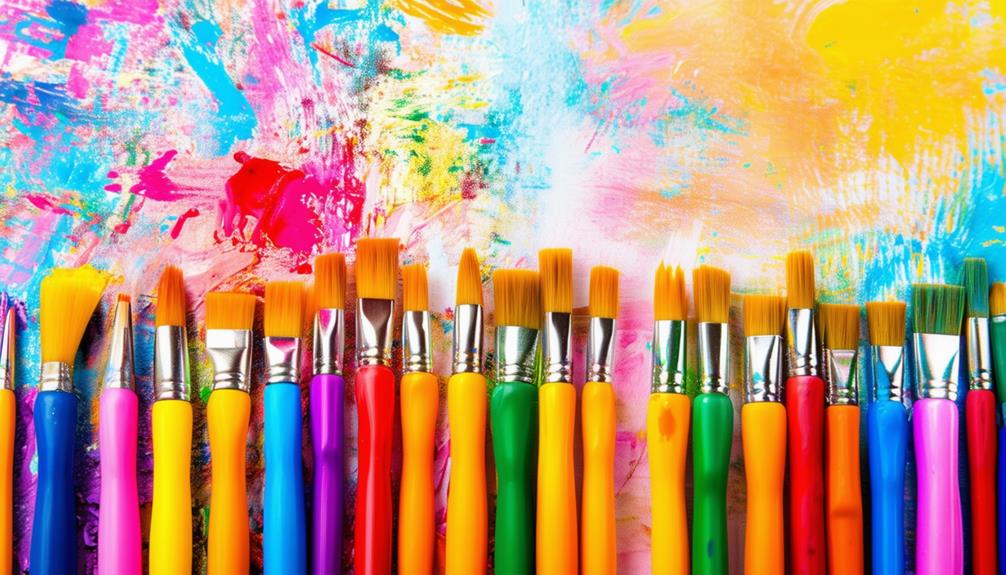
Large sets of paintbrushes make group art projects in classrooms or childcare settings a breeze. These packs are perfect because they offer a bulk quantity of brushes, ensuring every child has their own. Additionally, they often come with a variety of brush types, sizes, and styles to suit different creative painting techniques.
Managing a classroom budget effectively is crucial, and buying a large set can be extremely cost-effective compared to purchasing individual brushes. You'll get high-quality tools without breaking the bank, allowing you to allocate funds for other necessary supplies.
Proper paintbrush care is vital to extend the life of your set. Teach children to rinse brushes thoroughly after each use and store them bristle-side up. This simple habit can keep your brushes in good shape and ready for the next art session.
Benefits of Large Classpacks:
- Cost-effective: Save money by buying in bulk.
- Variety: Access different brush types and sizes in one set.
- Convenient: Ensure every child has access to their own brush.
- Durable: With proper care, brushes can last a long time.
Investing in a large set simplifies your art activities, keeping children engaged and creative.
Synthetic Vs. Natural Bristles
When choosing paintbrushes, you'll need to decide between synthetic and natural bristles, each offering distinct advantages. Synthetic bristles are typically more durable and affordable, making them a great option for beginners. They are commonly used for watercolor and acrylic paints because their stiffness provides better control and precision. Additionally, synthetic bristles are easier to clean and maintain, simplifying brush care.
On the other hand, natural bristles are ideal for oil paints due to their superior ability to hold paint. Made from animal hair, these bristles are softer and more flexible, providing a smoother finish that might be preferred for certain paint applications. However, natural bristles are generally more delicate and may require more careful handling and cleaning.
When comparing bristles, consider the material's pros and cons for your specific needs. Synthetic bristles offer durability and ease of cleaning, while natural bristles excel in paint retention and smooth finishes. Deciding between these options depends on the type of paint you will use and how much effort you're willing to invest in brush care. Ultimately, both types of bristles can enrich your creative experience.