Teaching Kids to Be Responsible for Their Pets
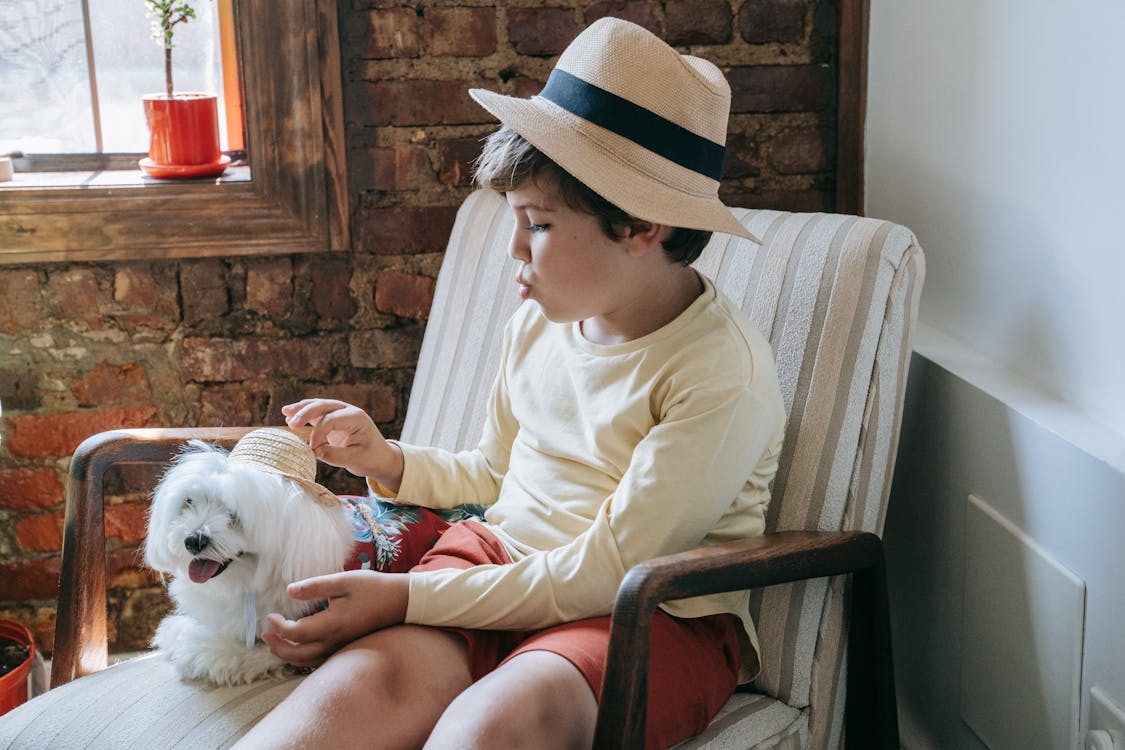
Pets hold a special place in the hearts of many families, serving not just as companions but as integral members of the household. They offer unconditional love, loyalty, and a sense of joy that can brighten even the most challenging days. Beyond their role as companions, pets also act as teachers, imparting valuable life lessons to their human counterparts.
For children, the presence of a pet can be a profound and transformative experience. The act of caring for a pet fosters a sense of responsibility, as children learn that the well-being of another living being depends on their actions. This responsibility extends beyond the basics of feeding and grooming; it encompasses the broader aspects of nurturing and providing consistent care.
Through the daily routines of pet care, children learn empathy as they become attuned to the needs and emotions of their furry friends. They begin to understand the importance of patience, especially when training a young pet or dealing with the occasional mishap. The structured nature of pet care tasks also instils a sense of routine, teaching children the value of consistency and commitment.
The bond formed between a child and their pet goes beyond simple companionship. It is a dynamic relationship that evolves over time, teaching children about trust, loyalty, and the joys and challenges of caring for another being. By teaching your kids to be responsible for your pets, they’ll not only enjoy the companionship of a pet but also learn essential life skills that will benefit them in many other areas of their lives.
Understanding the Importance of Pet Care
Owning a pet involves various responsibilities. These include feeding, grooming, exercising, and ensuring the pet's overall well-being. For children, engaging in these tasks offers valuable life lessons.
Empathy: Caring for a pet requires understanding the needs and feelings of another living being. This nurtures empathy and compassion in children.
Patience: Pets, especially young or untrained ones, can be unpredictable (Anyone who's had Siamese kittens or Border Collie puppies can recall how challenging it is). Children learn to be patient and gentle while interacting with them.
Routine: Daily pet care tasks help children understand the importance of consistency and routine. This can translate into other areas of their lives, such as schoolwork and household chores.
Age-Appropriate Tasks for Children
Different age groups can handle varying levels of responsibility when it comes to pet care. Assigning age-appropriate tasks ensures children can manage them without feeling overwhelmed.
Toddlers (Ages 2-4):
- Filling water bowls
- Brushing fur with a soft brush
- Helping to pick up toys
School-Age Children (Ages 5-10):
- Measuring and serving food
- Cleaning the litter box or small animal cage
- Taking the dog for short walks (with supervision)
- Assisting with baths and grooming
Teenagers (Ages 11 and up):
- Taking full responsibility for feeding and walking
- Managing grooming routines
- Training sessions and obedience practice
- Scheduling and attending veterinary appointments
Assigning these tasks helps children understand their pet's needs and fosters a sense of ownership.
Creating a Pet Care Schedule
A structured pet care routine benefits both the pet and the family. A clear schedule helps children remember their responsibilities and ensures that the pet's needs are met consistently.
Benefits of a Structured Routine:
- Promotes consistency and reliability
- Helps children develop time-management skills
- Reduces the likelihood of neglecting pet care duties
Tips for Creating a Pet Care Schedule:
- Involve the whole family: Discuss and decide on pet care tasks together.
- Assign specific tasks: Clearly define who does what and when.
- Use visual aids: Charts or calendars can help younger children remember their duties.
- Be flexible: Adjust the schedule as needed to accommodate changes in routine or additional responsibilities.
Sample Pet Care Schedule:
| Time | Task | Assigned To |
| Morning | Feed breakfast | School-age child |
| Walk the dog | Teenager | |
| Afternoon | Refill water bowl | Toddler |
| Grooming session | School-age child | |
| Evening | Feed dinner | Teenager |
| Clean litter box | School-age child | |
| Weekend | Bathing and deep grooming | Parent with child |
Creating a schedule helps ensure all pet care duties are covered and teaches children the value of routine and commitment.
Teaching Responsibility Through Supervision and Support
Parental supervision and support are crucial when children first take on pet care tasks. Guidance helps children learn the correct methods and builds their confidence. You can help ensure tasks are performed correctly while avoiding potential harm to both your pet and your child. This type of supervised routine also helps build children's confidence and competence.
Tips for Gradually Increasing Responsibility:
- Start with simple tasks: Begin with easy tasks that children can handle.
- Demonstrate tasks: Show children how to perform tasks correctly.
- Provide feedback: Offer constructive feedback and praise their efforts.
- Increase responsibility gradually: As children become more confident, assign more complex tasks.
- Encourage problem-solving: Allow children to find solutions to minor issues on their own.
Positive Reinforcement:
- Praise and encouragement: Recognize and commend children's efforts and achievements.
- Rewards: Offer small rewards for consistently completing tasks.
- Involvement in decisions: Let children make choices about pet care, such as selecting toys or planning activities.
Overcoming Common Challenges
Parents may face challenges when teaching children to care for a pet. Children might lose interest or feel overwhelmed. Younger kids may become bored with routine tasks that they have to do day in, day out – while other, more serious responsibilities may be too much for kids who are already fully loaded with schoolwork and extracurricular activities.
Solutions and Strategies:
- Rotate tasks: Change pet care duties regularly to keep things interesting.
- Make it fun: Turn pet care into a game or challenge.
- Offer support: Provide help and encouragement when children struggle.
- Set realistic expectations: Ensure tasks match the child's abilities.
Conclusion
Embracing pet ownership not only enriches family life but also prepares children for future responsibilities, making it a rewarding experience that they’ll take into the rest of their lives. Your children will do well to learn from the small tasks and duties that they’ll take on as pet owners, giving them more empathy, more ownership, and more compassion for those around them. Being a competent and caring pet owner helps set up your child to be a competent and caring adult.