Is Slime Good or Bad for Kids?
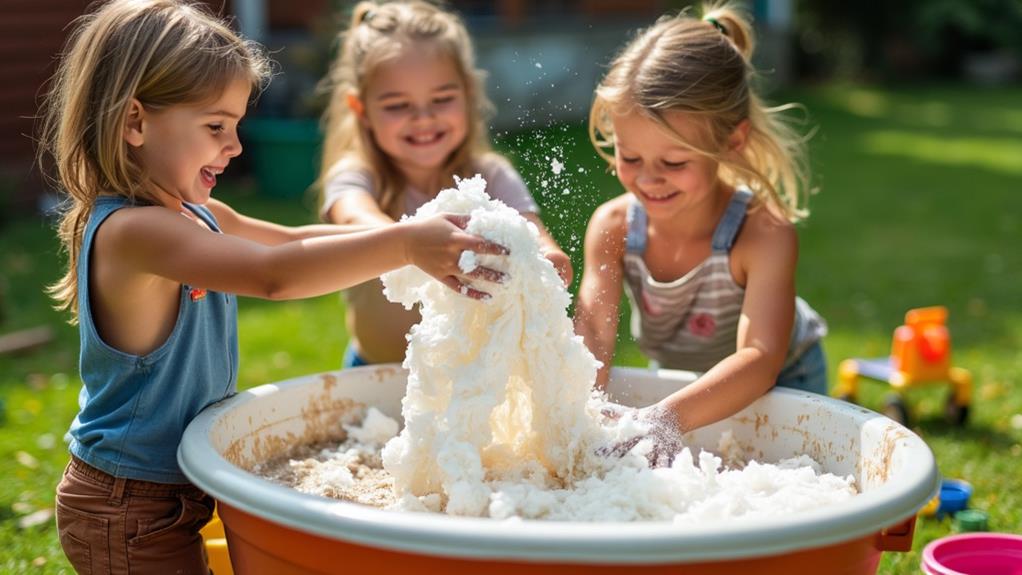
When you think about slime, it's easy to see why kids love it, but is it really good for them? Slime can enhance fine motor skills and spark creativity, offering endless hours of sensory play. However, some ingredients, like Borax, can cause skin irritation or worse. Are the benefits worth the risks? What safety measures should you take, and are there safer alternatives available? Let's examine the pros and cons to ensure that your kids enjoy slime safely and beneficially.
Ingredients in Slime

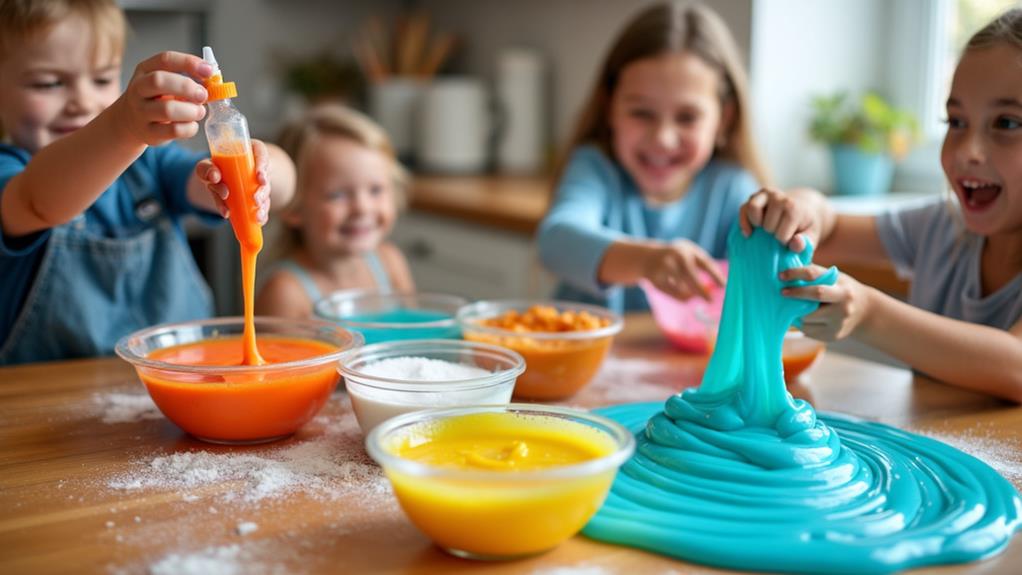
When making slime, it's crucial to be mindful of the ingredients you're using. One of the primary components often found in recipes is Borax. While Borax can give your slime a perfect stretchy texture, it is a strong alkaline substance that can cause chemical burns if not handled properly. To minimize risks, always dilute Borax with the appropriate amount of water and follow the recipe closely.
Incorrect measurements of Borax can increase the risk of skin irritation and burns, especially if children add more than the recipe calls for. Close supervision is essential during slime production to ensure children are mixing safely and not combining household chemicals inappropriately.
For a safer alternative, consider using baking soda and contact lens solution instead of Borax. These ingredients are less hazardous and reduce the risk of potential injuries. Always provide clear safety instructions to children, emphasizing the importance of following the recipe and washing hands thoroughly after making and playing with slime. By being mindful of the ingredients and adhering to safety guidelines, you can ensure a fun and safe slime-making experience.
Duration of Play
Managing the duration of play is crucial for ensuring your child's safety while they enjoy slime. Prolonged contact with Borax-containing slime can increase the risk of skin irritation and potential chemical burns. By monitoring how long your child plays with slime, you can help prevent these adverse effects.
It's essential to set clear time limits on slime play sessions and ensure your child takes breaks. At the first sign of irritation, discontinue slime use immediately and rinse the affected areas with running water—avoid soaking the skin, as this can worsen the irritation.
Regularly check your child's skin for any adverse reactions during playtime. This proactive approach helps you catch issues early and take necessary action. Limiting both the frequency and duration of slime play sessions is not just about reducing risks; it ensures your child can enjoy their slime safely and comfortably.
Safety Precautions
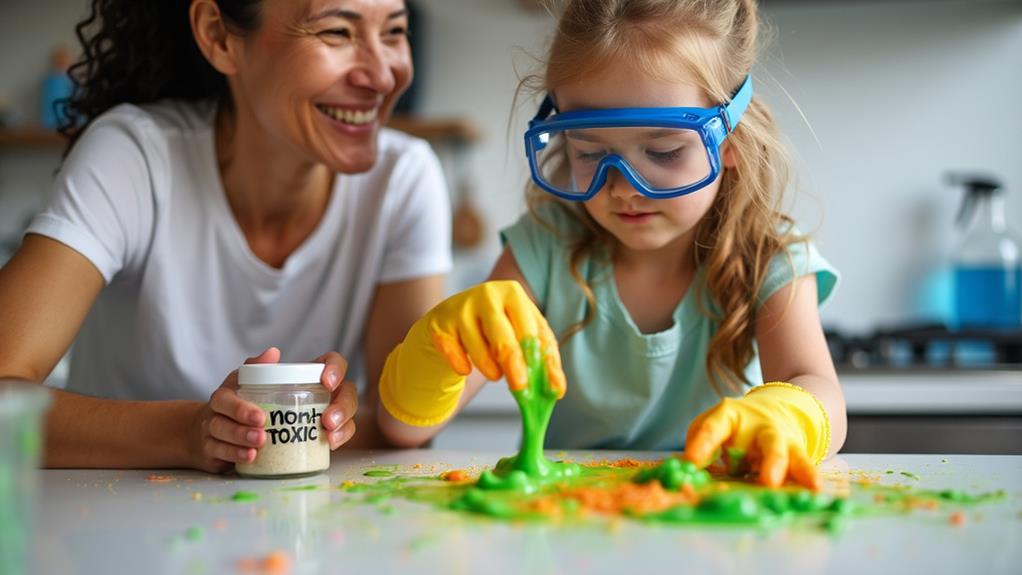
After setting time limits for slime play, it's crucial to focus on safety precautions. Always supervise children during slime-making to ensure they use the correct ingredient measurements and handle materials safely. Implement a "no touching face" rule to minimize the risk of transferring irritants from the slime to sensitive areas like the eyes, nose, and mouth. This simple rule can prevent a lot of discomfort.
Encourage thorough hand washing with soap and water after slime play to reduce skin irritation and prevent accidental ingestion of slime residues. Using gloves during slime preparation can protect the skin from potential irritants, especially if your recipe includes Borax.
Educate children on the safe handling of slime materials. Make sure they understand the importance of not ingesting the slime and storing it properly, especially away from younger siblings who might be tempted to taste it. These safety precautions are fundamental to ensuring a fun and safe slime experience for your kids. Remember, a little caution goes a long way in preventing mishaps and keeping slime time enjoyable and safe.
Supervision and Guidance
Ensuring your child's safety during slime play requires active supervision and careful guidance. By closely monitoring the slime-making process, you can ensure they follow the ingredient measurements accurately, minimizing exposure to potentially harmful substances like boric acid found in Borax. Your involvement is crucial in preventing them from touching their face, reducing the risk of irritants entering their eyes, nose, or mouth.
To create a safe and enjoyable slime experience, follow these steps:
- Supervise the activity: Always be present while your child is making or playing with slime. This lets you enforce safe practices, such as using gloves during preparation and preventing unsafe mixing of household chemicals.
- Enforce hygiene rules: Remind your child to wash their hands thoroughly after slime play. This step minimizes skin irritation and contamination, ensuring the activity is safe for everyone involved.
- Educate on safe handling: Teach your child the importance of handling slime materials responsibly. Explain why certain precautions are necessary, fostering creativity within safe boundaries.
Active supervision and proper guidance make slime play a safe, enjoyable, and educational activity for your child.
Alternatives to Borax
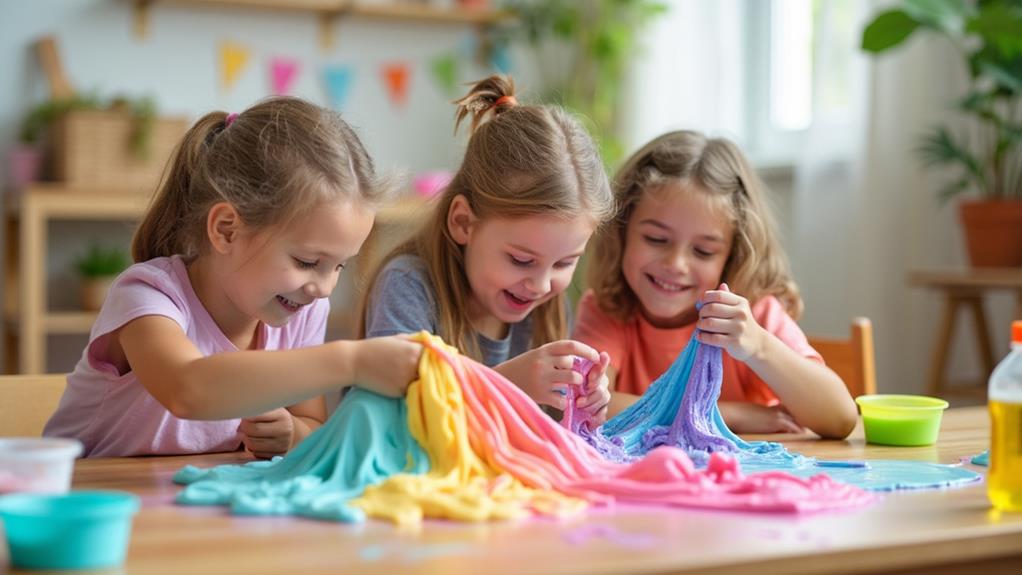
For safer slime options, consider Borax-free recipes that use baking soda and contact lens solution, reducing exposure to potentially harmful chemicals. Many non-toxic recipes also incorporate household items like cornstarch or even edible ingredients, ensuring a safer crafting experience. By choosing these alternatives, you minimize the risk of skin irritation and other health concerns for your child.
Safe Slime Ingredients
Many parents are opting for borax-free slime recipes to ensure safer playtime for their children. By using safe slime ingredients, you can guarantee that your kids enjoy crafting without exposure to harmful chemicals. Here are some excellent alternatives to consider:
- Baking Soda and Contact Lens Solution: These are popular borax-free slime ingredients. The contact lens solution contains minimal sodium borate, making it a safer option. Mixing it with baking soda provides a satisfying slime texture without the risks associated with borax.
- Natural Ingredients: Opt for non-toxic slime options like cornstarch, chia seeds, or gelatin. These natural materials create a fun, gooey texture and are free from harmful chemicals. They are also easy to clean up.
- Household Items: Everyday items like shampoo or flour can also be used to create slime. These ingredients are usually readily available and offer a fun sensory experience, eliminating concerns about toxic ingestion or skin irritation.
Non-toxic Slime Recipes
Exploring non-toxic slime recipes ensures safe and enjoyable playtime for kids. You can replace Borax with safer alternatives like cornstarch, chia seeds, and gelatin, eliminating the risks associated with sodium borate and making your slime-making sessions worry-free.
One popular non-toxic slime recipe uses baking soda and contact lens solution. This combination creates stretchy and fun slime while minimizing exposure to harmful chemicals. To make it, mix half a cup of glue with a tablespoon of baking soda, then slowly add contact lens solution until you achieve the desired consistency.
For more creative options, numerous DIY slime recipes are available online that use household items like shampoo or yogurt. These ingredients are safe and add unique textures and scents to the slime, enhancing the experience for your kids. Edible slime recipes are another excellent option, especially for younger children who might taste their creations. Ingredients like marshmallows or gelatin offer fun and safe alternatives.
Parenting blogs and resources often provide excellent guidance and inspiration for these non-toxic slime recipes, ensuring you and your kids can enjoy hours of safe, creative play.
Benefits of Slime
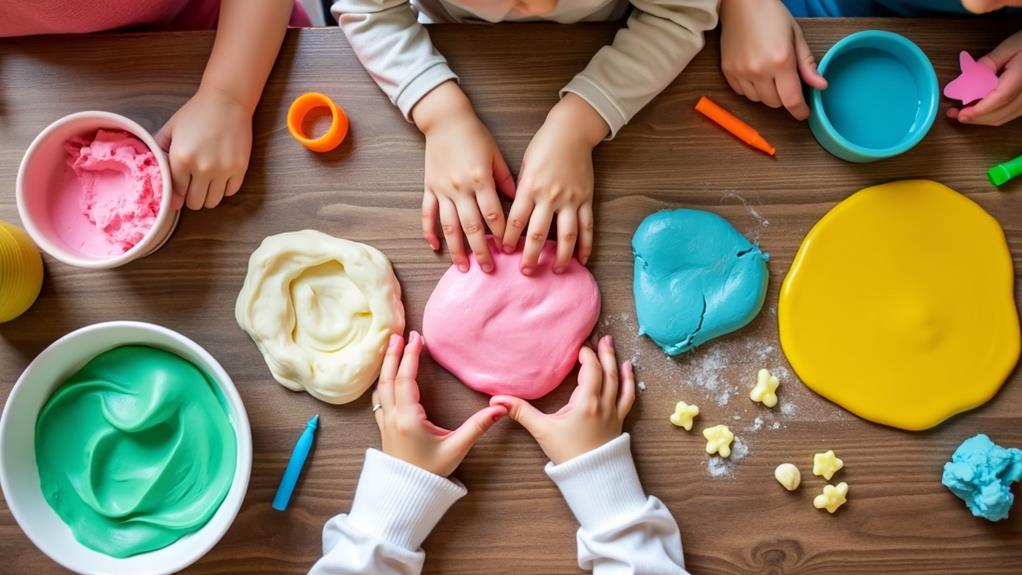
Slime isn't just a fun activity; it offers several developmental benefits for kids. When children engage in playing with slime, they're not only entertained but also learning valuable skills. From following slime recipes to manipulating the gooey substance, children enhance their fine motor skills, which promotes dexterity and hand-eye coordination. The process of making slime teaches children about cause and effect as they observe the transformations that occur when combining different components.
Additionally, slime provides a hands-on, sensory experience that serves as a fantastic alternative to screen time. This tactile activity can keep kids engaged while offering educational value. The calming effect of slime makes it a popular choice in play therapy, helping children manage anxiety and improve focus.
To sum up, here are three key benefits of slime:
- Fine Motor Skills: Manipulating slime ingredients improves dexterity and hand-eye coordination.
- Educational Value: Following recipes and observing transformations teaches cause and effect.
- Calming Effects: The tactile nature helps manage anxiety and improve focus.
Sensory Play Importance
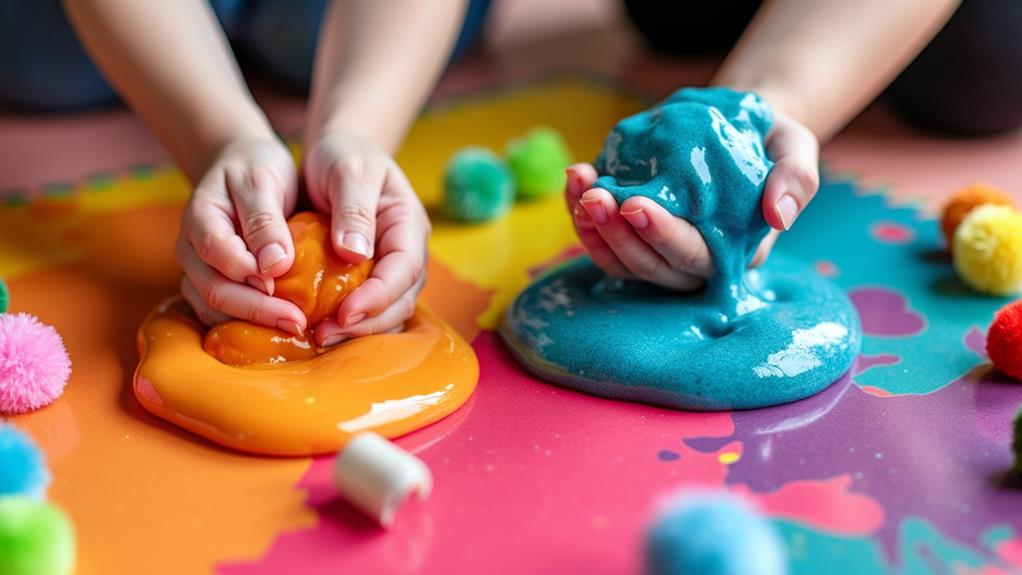
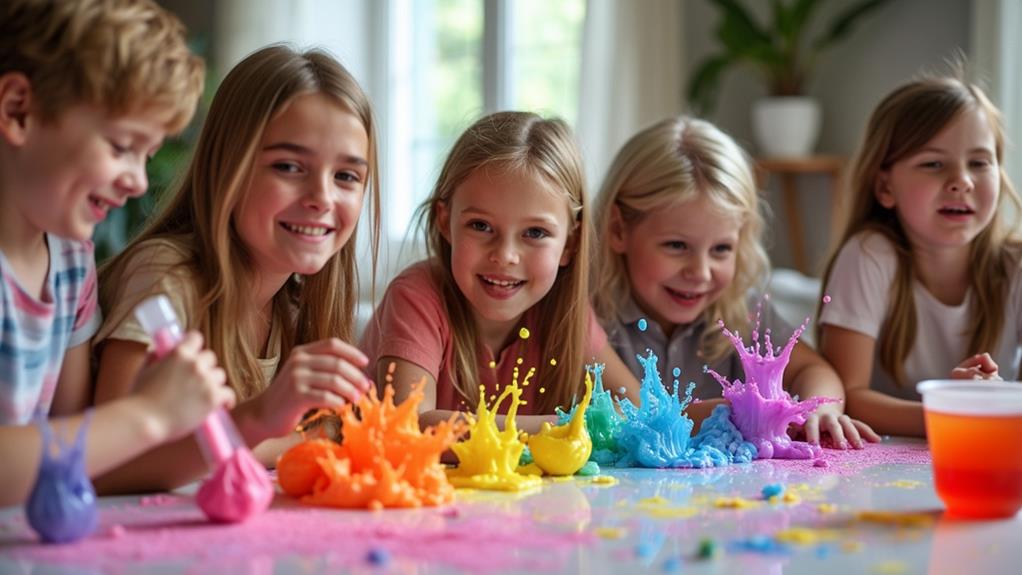
When your child engages in sensory play with slime, they're not just having fun but also enhancing their cognitive and sensory development. Manipulating slime stimulates their sense of touch, sight, and hearing, which boosts their language skills and cognitive abilities. Additionally, this type of play can improve motor skills and emotional regulation, offering a calming and therapeutic experience.
Enhancing Cognitive Development
Imagine the squishy feel of slime slipping through your fingers; it's more than just a fun activity. Sensory play, like making slime, plays a crucial role in enhancing children's cognitive development. When your child engages in slime play, they're not just having fun; they're developing essential skills that will benefit them in various aspects of life.
First, sensory play engages multiple senses—touch, sight, and even sound—which boosts sensory awareness and cognitive growth. The process of making slime, mixing different textures and colors, promotes problem-solving skills and creativity.
Second, manipulating slime enhances fine motor skills. This activity improves hand-eye coordination and dexterity, both crucial for tasks such as writing and using tools.
Third, as your child describes the textures and colors of the slime, they develop language skills. Discussing their experiences and feelings fosters communication development, vital for social interactions and learning.
Here are three ways to amplify the benefits of slime play:
- Experiment with different textures and colors: Stimulate creativity and problem-solving.
- Engage in conversations about the slime: Enhance language skills by describing the sensory experience.
- Incorporate other sensory elements: Add sounds or scents to further stimulate cognitive development.
Promoting Sensory Engagement
Engaging in sensory play, such as slime-making, offers multiple developmental benefits for children. When children immerse their hands in slime, they engage various senses—touch, sound, sight, and smell—enhancing their sensory awareness and exploration. This type of play is not only enjoyable but also crucial for their overall development.
Creating slime at home also helps children practice mindfulness. Focusing on the texture and movement of the slime can alleviate anxiety and provide a grounding experience, making them feel more secure in their environment.
Additionally, playing with slime can improve language skills and cognitive abilities. Describing the slime's texture, color, and smell encourages the use of descriptive language, while experimenting with recipes hones problem-solving skills.
In an era where children spend more time on screens and less time outdoors, sensory activities like slime-making offer a valuable, hands-on alternative. So, roll up your sleeves and dive into the world of slime!
Mindfulness and Grounding
Engaging with slime offers a rich tactile experience that helps kids stay present and focused, promoting mindfulness during play. When children play with slime, they're not just having fun; they're also grounding themselves in the moment. This sensory play can be particularly effective in managing overwhelming feelings such as anxiety. By focusing on the textures and movements of the slime, kids learn to center their thoughts and emotions, building emotional resilience.
Playing with slime is more than just a distraction; it encourages kids to accept their present experiences. This acceptance fosters emotional stability, allowing them to approach challenges with a clearer mind. The unique textures and sounds of slime also improve sensory awareness, which can contribute to cognitive development and problem-solving skills.
Here's how you can make the most of slime for mindfulness:
- Create a Routine: Set aside specific times for slime play to help children develop a consistent mindfulness practice.
- Focus on Sensations: Encourage kids to describe the textures and sounds they experience, improving their sensory awareness.
- Use as a Calm-Down Tool: Incorporate slime into calming activities to help children channel their energy and emotions constructively.
Using slime wisely can transform playtime into a powerful tool for mindfulness and emotional resilience.
Age Range for Slime
Slime is a popular activity that appeals to a broad age range, from preschoolers to preteens, and even older teens and adults. Its tactile and engaging nature makes it a significant aspect of current kid culture, fostering creativity and sensory play.
For preschoolers, slime offers an excellent introduction to sensory play. The unique textures and colors can enhance language skills and cognitive development as children describe their sensations and experiment with different consistencies.
For older children and preteens, making slime can be a more complex activity that encourages creativity and teamwork. Group slime-making activities are popular at birthday parties and playdates, providing opportunities for social interaction. Even older teens and adults find slime to be a comforting and engaging pastime, especially when outdoor play options are limited.