How Meaningful Gifts Become Part of Personal and Pop Culture Memories
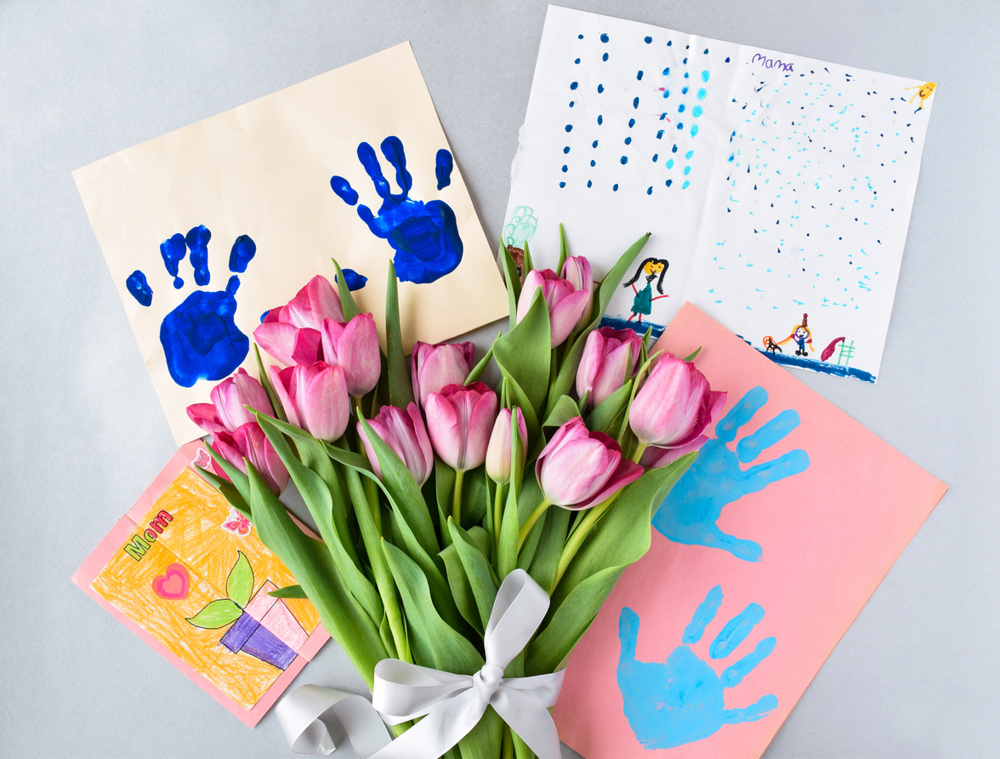
The gifts people remember most rarely have the highest price tags. More often, they're tied to a specific birthday, holiday, milestone, or meaningful relationship. A handwritten letter tucked inside a graduation card, a concert ticket given on a special anniversary, or a childhood keepsake saved for decades can carry emotional significance that far exceeds its monetary value. Long after the wrapping paper is gone, the memory remains.
Part of what makes these gifts endure is their connection to stories. They remind us of who gave them, when they were received, and why they mattered in that particular moment. Over time, those personal memories can intersect with larger traditions, family rituals, and even shared cultural experiences. What begins as a thoughtful gesture often becomes part of a much larger narrative that spans years—or even generations.
Why Some Gifts Stay With Us for Decades
Some gifts never leave you—not because they were expensive, but because they felt like proof that someone truly understood you. A thoughtful present reflects attention, effort, and recognition. Whether it's a favorite book, a meaningful photograph, or an item tied to a personal passion, the gift becomes a symbol of being seen and appreciated.
Psychologists often point to the role of emotional significance in memory formation. When a gift arrives during an important life chapter, such as a milestone birthday or major achievement, the brain tends to assign greater importance to the experience. You're not simply remembering the object itself; you're remembering the emotions surrounding it.
Years later, the gift often serves as a shortcut back to that moment. A worn keepsake, a framed photograph, or a treasured memento can instantly revive memories of the people and circumstances connected to it. That's why some gifts remain meaningful long after their practical value has faded.
The Brain Science Behind Meaningful Gift Memories
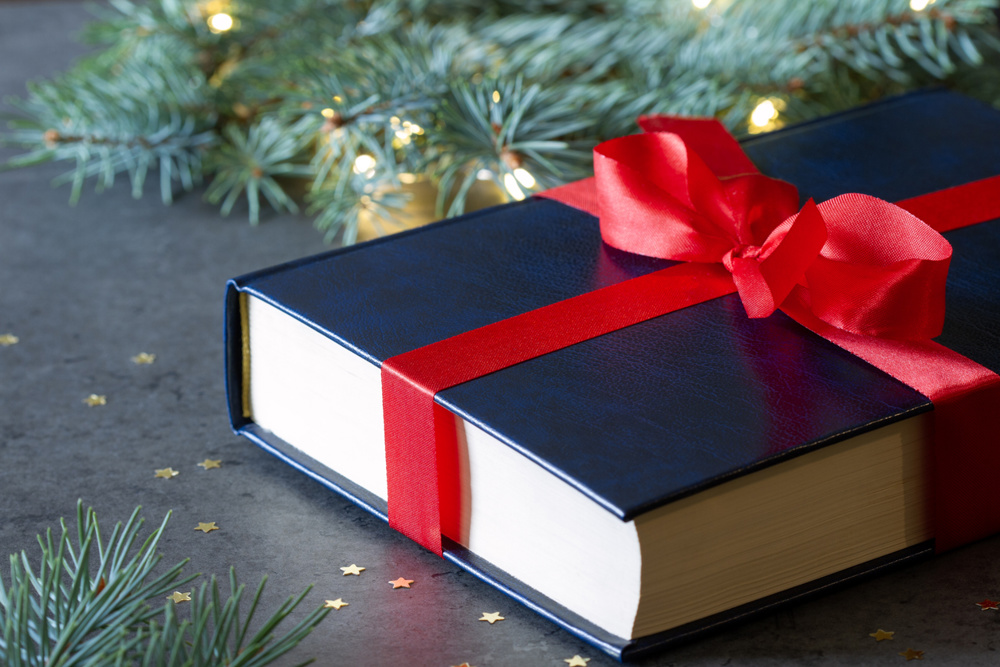
What makes a gift unforgettable isn't luck—it's the way the brain processes emotionally significant experiences. When you receive something meaningful, your brain releases chemicals associated with reward, connection, and positive emotion. These reactions help strengthen memory formation and increase the likelihood that the experience will be remembered later.
Personal relevance plays an important role as well. The brain naturally prioritizes information that feels connected to identity, relationships, and personal experiences. A generic gift may be appreciated, but a gift that reflects your interests, values, or history receives deeper emotional processing.
This helps explain why meaningful gifts often outlast expensive ones in memory. The brain doesn't automatically assign value based on cost. Instead, it prioritizes significance. Gifts that feel personal become attached to emotions, stories, and relationships, making them far easier to recall years later.
Why Birthdays and Milestones Make Gifts More Meaningful
Special occasions naturally amplify the emotional impact of gift-giving. Birthdays, graduations, weddings, anniversaries, and retirements create clear markers in a person's life story. Gifts received during these moments become attached to events that already carry emotional significance, making them easier to remember long after the celebration ends.
The occasion often becomes inseparable from the gift itself. Years later, people may remember the watch they received on graduation day, the photo album presented at a wedding, or the letter given before a major life transition. These gifts become physical reminders of important chapters, helping preserve memories that might otherwise fade with time. The stronger the emotional context surrounding the occasion, the more meaningful the gift often becomes.
This connection helps explain why gifts exchanged during celebrations often carry lasting value. They're not simply objects—they're tied to defining moments that people revisit throughout their lives. Birthdays, anniversaries, and other milestones provide a natural framework for memory, turning thoughtful gifts into lasting symbols of achievement, relationships, and personal growth.
Shared Experiences Turn Gifts Into Living Memories
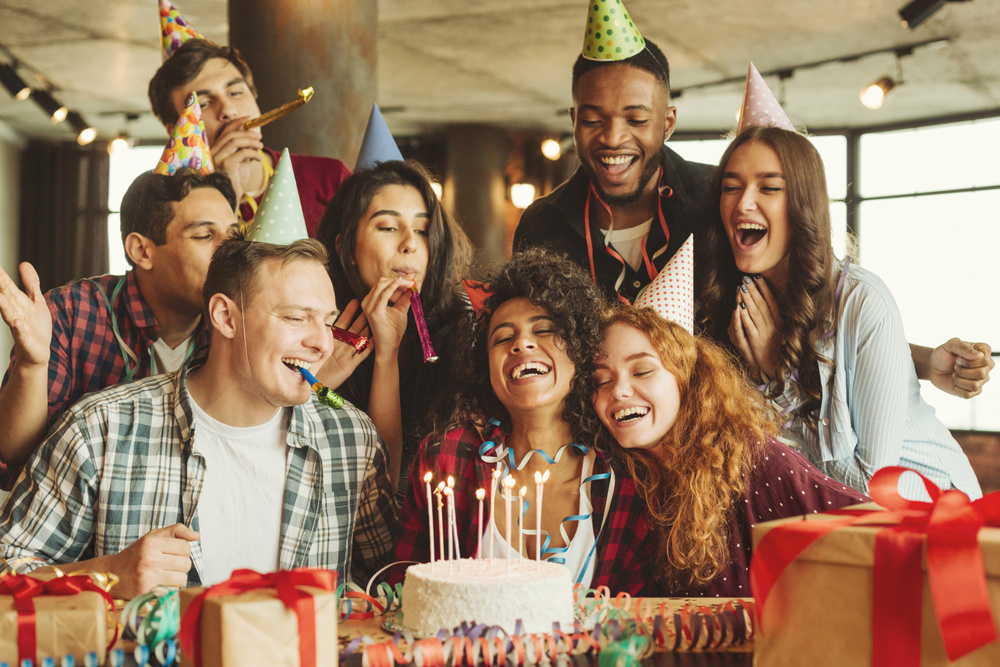
Physical gifts carry weight, but experience-based gifts take root differently. When you give someone a shared adventure or collaborative project, the gift doesn't end at the exchange—it continues unfolding.
Here's why experience gifts create stronger memories:
- Context anchoring – They connect to a specific time, place, and relationship, making recall sharper.
- Emotional layering – Shared adventures build emotions in real time, deepening attachment beyond any object.
- Co-creation value – Collaborative projects extend memory-making well past the initial moment.
- Interest alignment – Experiences tied to someone's passions feel personally curated, not generic.
When you invite someone into an experience rather than handing them an item, you're not just giving a gift—you're building a memory you both carry forward.
Keepsakes and Cues That Keep Gift Memories Alive
Shared experiences create memories, but keepsakes help preserve them. Objects associated with meaningful events often serve as memory triggers that reconnect people with specific moments, places, and emotions. Long after a birthday party, holiday gathering, or anniversary celebration has ended, a physical reminder can help keep those memories vivid.
A concert ticket, handwritten note, family photograph, or travel souvenir can instantly transport someone back to the original experience. These items function as physical reminders of relationships and events that might otherwise fade over time. Unlike digital memories that can disappear into phone galleries and social media feeds, keepsakes often remain visible and tangible, making them easier to revisit throughout the years.
Visibility strengthens this effect. A framed photo displayed in a home, a cherished piece of jewelry, or a keepsake stored in a familiar place encourages repeated recall. Each encounter reinforces the memory, helping preserve both the event and the emotions attached to it. Over time, these objects become more than simple possessions—they become personal artifacts that tell the story of important relationships, milestones, and celebrations.
How Gift Traditions Build a Family's Memory Legacy
Repetition transforms a simple gift into something much larger—a family tradition. When you commit to annual rituals, you're not just exchanging presents—you're building a living archive your family returns to every year. Consider how traditions grow through:
- Milestone markers – gifts tied to graduations, anniversaries, or births that anchor major chapters
- Recurring keepsakes – annual ornaments or journals that accumulate meaning over decades
- Heirloom storytelling – passing objects between generations with the narratives attached
- Documented moments – photos or notes that preserve the why behind each gift
These patterns don't just create memories—they create identity. Your family starts recognizing itself through the traditions you repeat. What begins as a single thoughtful gesture eventually becomes the story your children carry forward.
How Special Events Create Shared Cultural Traditions
Not all gift traditions remain within individual families. Many become part of larger cultural practices that communities repeat year after year. Birthday cards, graduation gifts, holiday stockings, and anniversary celebrations all represent customs that have expanded beyond individual households. What begins as a personal gesture often evolves into a ritual that entire communities recognize and participate in.
Special events also influence gift-giving trends. Certain products become popular because they reflect larger cultural moments, celebrations, or shared experiences. Readers interested in how major celebrations shape cultural trendsoften discover that many familiar customs began as simple acts of appreciation before becoming widely adopted traditions. Seasonal gifts, milestone keepsakes, and commemorative items frequently gain popularity because they help people participate in those shared experiences.
These traditions endure because they provide a sense of connection. They link individuals to families, communities, and cultural practices that extend beyond their own experiences. Whether it's exchanging gifts during the holidays or giving a special keepsake to mark an achievement, these rituals create a shared language of celebration that helps strengthen social bonds across generations.
When Gifts Become Part of Pop Culture Memory
Sometimes a meaningful gift connects personal memory with popular culture. Concert merchandise, signed books, movie memorabilia, sports collectibles, and fandom-related items often carry significance on both levels. They remind recipients of the person who gave them the gift while also connecting them to a larger community of fans and enthusiasts.
A vinyl record received on a birthday may remind someone of the friend or family member who chose it, while also connecting them to a broader music culture. Likewise, a collectible tied to a favorite film, television series, or sports team can serve as both a personal keepsake and a cultural symbol recognized by millions of people. These gifts carry stories that extend beyond the individual relationship behind them.
This overlap helps explain why certain gifts remain meaningful for decades. They represent not only individual relationships but also participation in broader cultural experiences that continue to resonate over time. When a gift reflects both personal significance and shared cultural identity, it often becomes far more memorable than an item chosen solely for practical reasons.
How to Pass Meaningful Gifting Values to the Next Generation
The habits behind meaningful gift-giving are often learned through observation. Children watch how adults choose gifts, celebrate milestones, and express appreciation through thoughtful gestures. Over time, these behaviors become part of their own understanding of relationships and generosity.
Including younger family members in gift selection and gift-giving traditions helps reinforce these values. When children learn to think about another person's interests, memories, and experiences, they begin to understand that meaningful gifts require attention rather than simply money. Small acts, such as helping choose a birthday present or writing a heartfelt card, teach lessons that can last a lifetime.
These lessons often persist into adulthood. As traditions continue and stories are shared, the values behind thoughtful gifting become part of a family's culture, ensuring that future generations understand the importance of giving with intention. In this way, meaningful gifts become more than celebrations of the present—they become a way of preserving empathy, connection, and family traditions for years to come.
Conclusion
Meaningful gifts endure because they represent more than objects. They connect people to relationships, milestones, celebrations, and stories that help define their lives. Whether it's a handwritten letter, a treasured keepsake, or a shared experience, the emotional significance attached to a thoughtful gift often lasts far longer than its practical value.
Over time, those memories expand beyond the individual. Family traditions, birthday rituals, holiday customs, and even pop-culture collectibles become part of larger narratives that connect personal experiences with shared cultural history. The most memorable gifts aren't simply things we receive—they're stories we continue carrying forward.