
Family Health Tips for Visiting Texas with Children
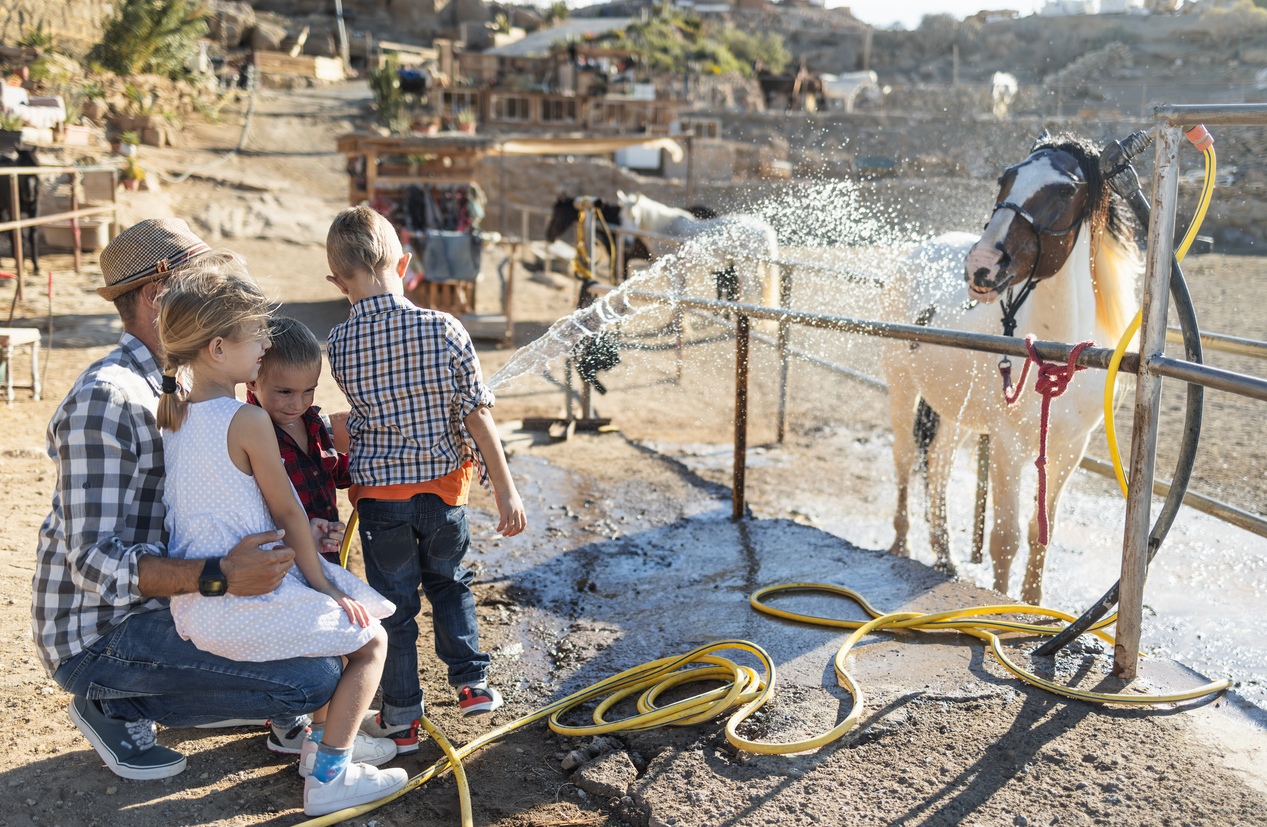
Before visiting Texas with children, make sure they’re up-to-date on routine vaccinations such as DTaP, MMR, polio, and hepatitis A. Protect kids from the intense sun with mineral-based SPF 30+ sunscreen, and use shade for infants under 6 months. Watch for fire ant mounds in parks and outdoor areas, and tuck pants into socks when exploring grassy spaces. Practice “touch supervision” at pools and lakes by staying within arm’s reach of children under 4. Monitor pollen counts during cedar season and bring age-appropriate allergy medications to keep your trip comfortable.
Health Checks and Vaccines Kids Need Before Visiting Texas
Planning a family trip to Texas means more than packing sunscreen and hats—you’ll want to confirm your children’s health records are current before you arrive. For extended stays involving school or childcare, Texas requires documentation of standard childhood immunizations. Recommended vaccines include DTaP, polio, MMR, hepatitis A, hepatitis B, and varicella. Pediatricians follow strict storage and handling guidelines to ensure vaccine effectiveness, so keeping updated medical records is important for both travel and emergency care. The Texas Immunization Registry (ImmTrac2) may store records for participating providers, but travelers should bring their own documentation. Before your trip, check with your pediatrician to ensure your child’s vaccinations are up to date and appropriate for travel.
Protect Your Family from Texas Heat and Sun Exposure
Texas heat can be intense, especially from late spring through early fall. Schedule outdoor activities before 10 a.m. or after 6 p.m. when temperatures are lower and UV exposure is reduced. For infants under six months, avoid direct sunlight by using stroller canopies, umbrellas, or shaded areas. Older children should wear broad-spectrum SPF 30+ sunscreen, lightweight clothing, and hats. Watch for signs of heat-related illness, including fatigue, dizziness, nausea, and excessive sweating. Move children to a cool, shaded, or air-conditioned space immediately if symptoms appear. Never leave children in parked vehicles, as temperatures can rise dangerously within minutes.
Preventing Fire Ant Stings, Tick Bites, and Mosquito Illness
Texas outdoor spaces come with common pests that require simple precautions. Fire ants build visible mounds and can sting aggressively when disturbed. Teach children to avoid these areas and wear closed-toe shoes when playing outside. Ticks are more common in wooded or grassy areas, so use EPA-approved insect repellent and check skin and clothing after outdoor activities. Mosquitoes are active in warmer months and may carry illnesses like West Nile virus, so use repellent and avoid standing water. Keeping outdoor areas clean, removing trash, and avoiding tall grass can help reduce exposure to all three.
Staying Safe at Texas Beaches, Lakes, and Swimming Areas
Water safety is essential when traveling with children. Drowning is a leading cause of injury-related death for young children, making constant supervision critical. Follow these safety practices:
- Assign a dedicated “water watcher” who avoids distractions
- Stay within arm’s reach of children under 4 (“touch supervision”)
- Use properly fitted life jackets in lakes or open water
Drowning can happen quickly and quietly, so maintaining constant attention is the most effective prevention strategy.
Managing Cedar Fever and Seasonal Allergies in Texas
If you’re visiting during winter months, especially December through February, you may encounter cedar pollen season, commonly called cedar fever. This can cause sneezing, congestion, itchy eyes, and fatigue. To manage symptoms:
- Check local pollen forecasts before planning outdoor activities
- Have children shower and change clothes after outdoor play
- Use HEPA filters indoors when possible
- Bring pediatric-approved allergy medications
Cedar fever symptoms can feel intense but are not contagious. Consult a doctor if symptoms interfere with sleep or breathing.
Recognizing Heat Illness and Allergic Reactions in Children
View this post on Instagram
Children are more vulnerable to heat because their bodies regulate temperature less efficiently. Recognizing symptoms early can prevent serious complications. Watch for:
- Headache, nausea, or muscle cramps
- Pale or clammy skin
- Weakness or confusion
Heat exhaustion requires cooling and hydration, while heat stroke (body temperature above 104°F) is a medical emergency requiring immediate care. Also monitor for allergic reactions such as swelling, rash, or difficulty breathing, especially if your child has known allergies.
Family-Friendly Indoor Alternatives During Extreme Heat
When temperatures rise, indoor activities provide a safe and comfortable alternative. Across Texas cities, you’ll find:
- Children’s museums and science centers
- Indoor play spaces and trampoline parks
- Aquariums and interactive exhibits
- Libraries and family-friendly cultural centers
Shopping malls and large indoor attractions often include air-conditioned seating, dining, and play areas, making them convenient for cooling off while keeping children engaged. Planning indoor options ahead of time helps you stay flexible during extreme weather conditions.
Conclusion
Traveling through Texas with children can be safe and enjoyable with the right preparation. Staying aware of heat conditions, water safety, seasonal allergies, and common outdoor risks helps prevent disruptions during your trip. With a few simple precautions and planning ahead, your family can explore Texas comfortably while focusing on making lasting memories.