Exploring Colors: Teaching Kids About Color Theory Through Painting
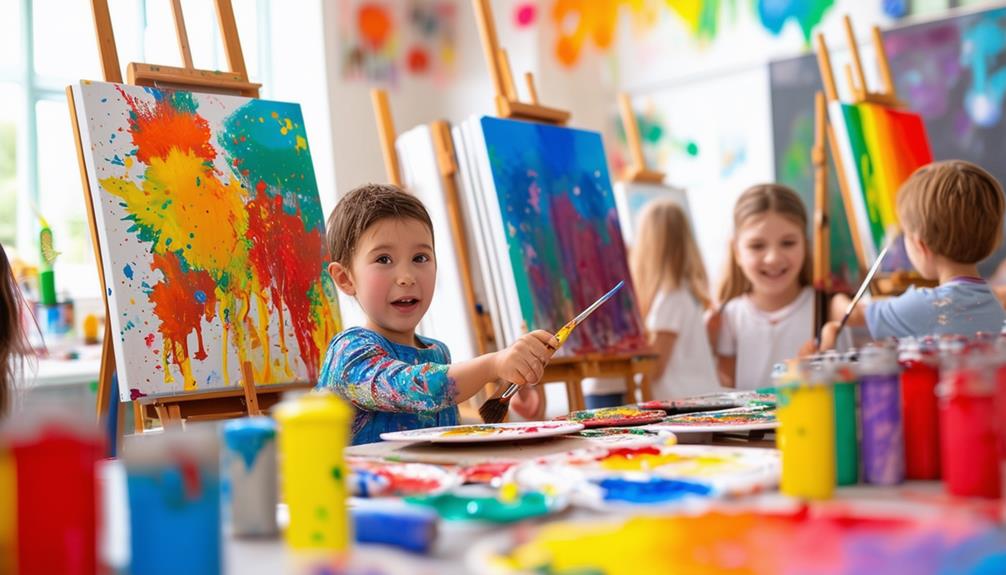
Teaching kids about color theory through painting opens up a world of creativity and learning. Imagine your child discovering how mixing blue and yellow creates green or how complementary colors can make their artwork stand out. Through hands-on activities, they can grasp these basics while also developing fine motor skills and emotional expression. But how do you make these concepts memorable and engaging without overwhelming them?
Basics of Color Theory
Have you ever wondered why mixing certain colors creates new ones? Understanding color theory can demystify this process. Color theory studies how colors interact and relate to each other, starting with the primary colors: red, yellow, and blue. These foundational colors are the basis for all other hues.
When you mix primary colors, you get secondary colors: red and yellow make orange, blue and yellow create green, and red and blue result in purple. This fundamental concept is crucial in art, enabling you to predict the outcomes of color combinations.
The color wheel is a valuable tool that visually represents these relationships. It is divided into sections showing primary and secondary colors, making it easier to understand how different hues relate. Using color schemes like complementary (colors opposite each other on the wheel) and analogous (colors next to each other) can help you create harmonious compositions. Mastering these color theory concepts will give you the confidence to experiment, making your art projects vibrant and visually appealing.
Experimenting With Materials
Now that you understand the fundamentals of color theory, it's essential to dive into experimenting with various art materials. Encourage children to use a range of paints, markers, crayons, and colored pencils to explore the vibrant spectrum of colors. Offering a diverse selection of art supplies nurtures creativity and allows for unique blending and pairing of materials.
Experimenting with different textures and effects can greatly enhance artistic expression. For example, combining crayons with paints can create intriguing textures, while using markers on top of paint can add lively details. Allow children the freedom to experiment with these materials, motivating them to craft imaginative works of art.
Support their creative exploration by maintaining a playful and relaxed atmosphere. This approach helps children feel at ease and open to experimenting with new combinations and techniques. It's important to let them discover how various materials interact and how these interactions can bring their understanding of color theory to life.
Fun Approaches to Learning
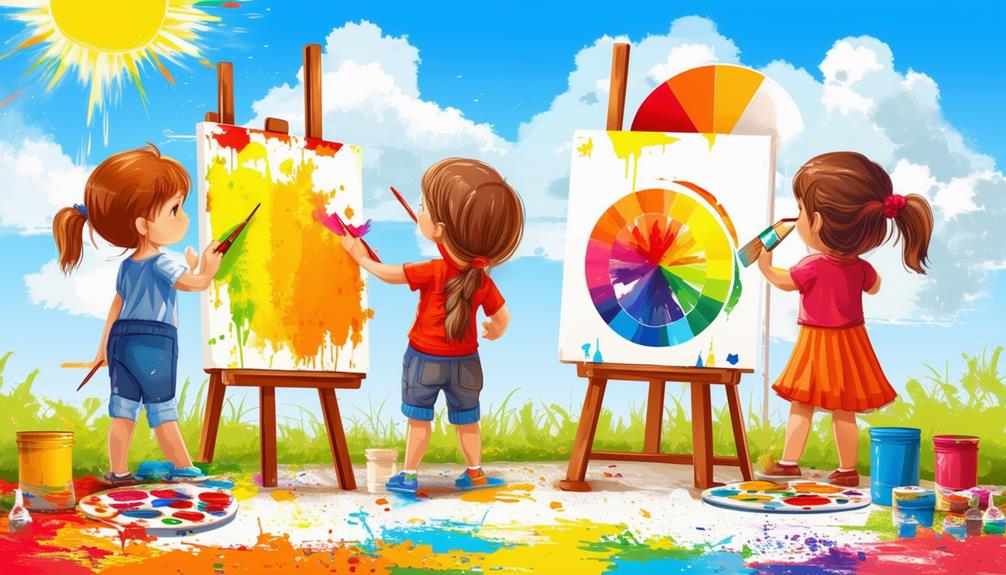
To make learning color theory fun, encourage kids to express their imagination and creativity freely. Provide diverse art supplies in a relaxed, playful environment. By emphasizing enjoyment, you'll keep them engaged and excited about their unique creations.
Encouraging Imaginative Expression
Encouraging imaginative expression in children can be as simple as allowing them to explore colors and materials in their painting projects. Start with a Color Theory Experiment where they mix primary colors to discover secondary colors. This hands-on activity makes learning about color fun and interactive, transforming art projects into engaging educational experiences.
Creating a playful and relaxed environment is essential for fostering creativity. Allow children to freely mix and match colors, enabling them to create unique and imaginative artwork. This freedom not only enhances their understanding of color theory but also builds their confidence.
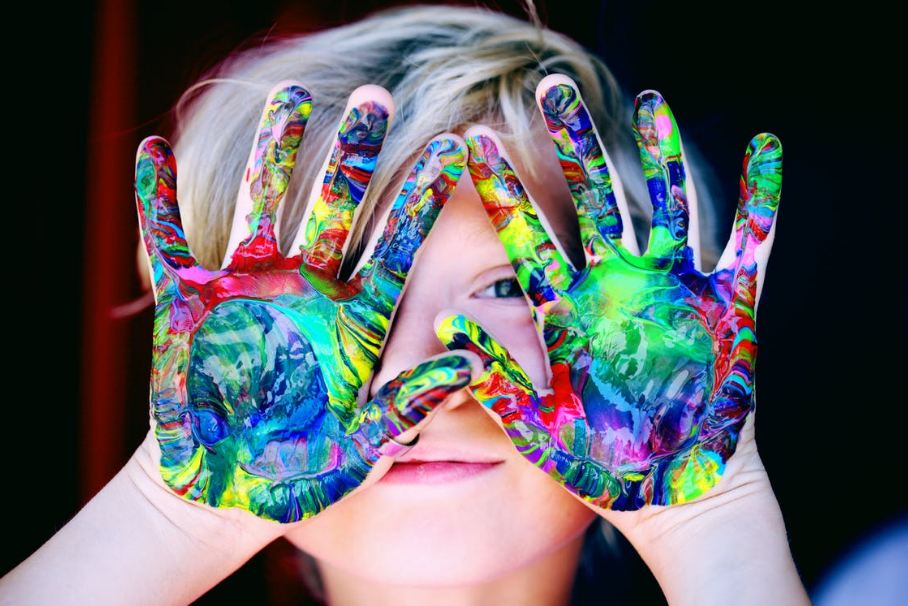
Encourage experimentation with various materials and techniques, whether using brushes, sponges, or even their fingers. The goal is to make the process enjoyable and to motivate active participation. Celebrate each child's individual creations to show that their artistic expression is valued and appreciated. By focusing on enjoyment and creative freedom, you help children develop a lifelong love for art and a deep understanding of color that goes beyond the canvas.
Playful Learning Environment
Creating a fun learning environment involves making the art-making process enjoyable and stress-free for kids. When teaching color theory, focus on enjoyment and creativity. Start by introducing primary colors—red, blue, and yellow. Let the kids experiment with these colors to discover new hues by mixing them. This hands-on approach makes exploring color theory more engaging.
Encourage children to use their imagination and express themselves freely. Provide various art materials, such as brushes, sponges, and even their fingers, to experiment with different textures and effects. This variety keeps the learning process exciting.
A relaxed atmosphere is crucial for a fun learning environment. Celebrate each child's unique creations, regardless of how different they might be. Positive reinforcement promotes a sense of accomplishment and keeps kids eager to learn more.
Specific Art Activities
Engage kids in a fun color-mixing experiment to demonstrate how primary colors blend to form secondary colors. Start with red, blue, and yellow paints, and let them mix these primary colors to create secondary colors like green, orange, and purple. This hands-on activity teaches color theory while sparking curiosity and creativity.
Next, create a color wheel collage. Provide kids with different colored papers to cut out and arrange in a circle to form a color wheel. This visual tool reinforces the relationships and combinations of colors.
You can also organize a color scavenger hunt. Give kids a list of colors to find around the house or classroom. This encourages observation and identification of different hues, making it an interactive learning experience.
Here's a quick overview of these activities:
| Activity | Purpose |
|---|---|
| Color Mixing Experiment | Learn how primary colors create secondary colors |
| Color Wheel Collage | Understand color relationships and combinations |
| Color Scavenger Hunt | Enhance observation and identification of colors |
Benefits of Art Exploration
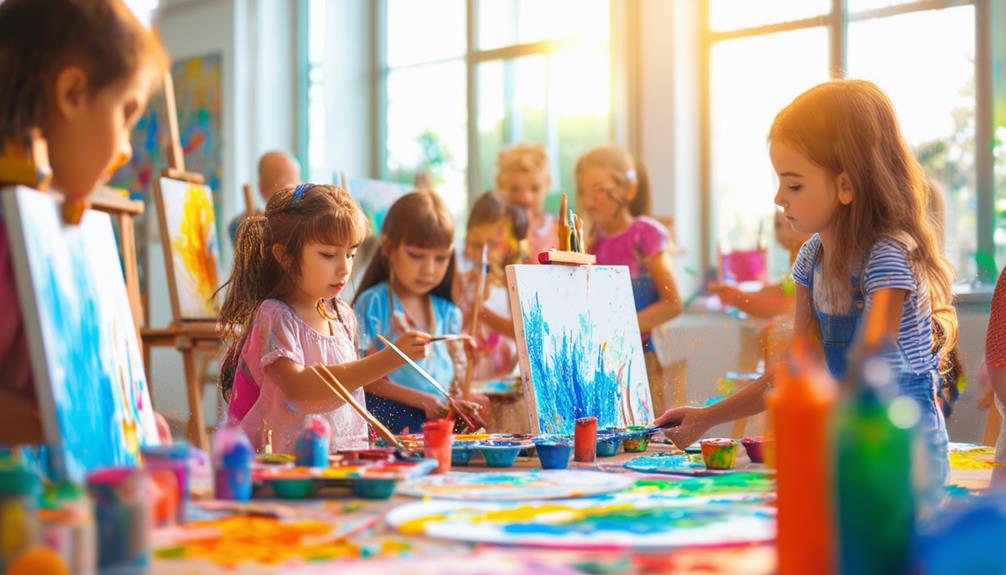
Encouraging children to explore art can significantly enhance their creative thinking as they experiment with colors and designs. Engaging in painting also helps develop fine motor skills through brush strokes and paint mixing. Additionally, art provides a safe space for children to visually express their emotions.
Enhances Creative Thinking
Exploring color theory through painting allows children to experiment with various colors and materials, thereby enhancing their creative thinking abilities. By delving into color theory art, kids learn to blend primary colors to create secondary colors, discovering new hues in the process. This hands-on activity helps them understand the fundamentals of color theory and fosters creative thought.
As children learn about color concepts, they begin to perceive the world differently. They observe how colors interact and can be combined uniquely. These activities nurture their imagination and encourage creative problem-solving. For instance, if their color mixing doesn't yield the desired result, they critically assess and adjust their approach.
Painting also sharpens observation skills. While examining colors, children notice subtle distinctions and consider how to replicate or alter them. This critical thinking is vital for cognitive development. By fostering creative thinking and self-expression through art, you are not only teaching them about colors but also helping them develop skills beneficial in various life aspects.
Develops Fine Motor Skills
Painting not only sparks creativity but also plays a crucial role in developing fine motor skills in children. Engaging in painting activities refines their hand-eye coordination and dexterity. By mixing primary colors to create secondary colors, children practice controlled, repetitive motions that strengthen their hand muscles. This process directly contributes to enhancing writing abilities and overall coordination.
Using brushes and other tools in painting helps children develop a stronger grip and better control over their movements. As they focus on making precise brushstrokes, they're unknowingly building fine motor skills that will benefit them in many other areas. The act of painting, whether blending colors or mastering simple shapes, requires precision that supports the development of these essential skills.
Moreover, the repetitive nature of painting tasks, like filling in areas with color or outlining shapes, helps improve finger strength and control. These activities are vital for tasks encountered in school, such as writing and using scissors. While painting may seem like just another fun activity, it is actually a powerful tool for fostering the fine motor skills foundational for a child's growth.
Encourages Emotional Expression
Artistic exploration provides children with a safe and creative outlet to express their emotions and feelings through colors. When kids paint using primary colors—red, blue, and yellow—they're not just learning about basic color theory; they're also discovering ways to convey their emotions. Mixing these primary colors to create secondary colors, like green, orange, and purple, allows them to further experiment with emotional expression.
Encouraging children to explore complementary colors, which are opposite each other on the color wheel, can help them understand contrast and balance in their emotions. For instance, combining blue and orange can create a vibrant, dynamic effect that might reflect excitement or tension. Conversely, using analogous colors, like blue and green, can evoke a sense of calm and harmony, providing children with a soothing way to process their emotions.
Artistic activities like painting serve as a therapeutic outlet, enabling kids to release pent-up feelings healthily. By visually communicating their emotions through color, children develop greater self-awareness and emotional intelligence. This non-verbal expression is crucial for kids who may struggle to articulate their feelings verbally, fostering a deeper understanding of their emotional landscape.
Video Tutorial and Resources
For a visual guide on teaching color theory through painting, access an engaging video tutorial on Facebook. This tutorial focuses on primary colors and blending techniques, making the teaching process fun and interactive for kids.
Enhance your teaching strategies with the Art Teachers Toolkit Guide available on Facebook. This guide offers various dynamic and engaging lesson ideas. Additionally, Deep Space Sparkle provides art lesson plans and resources specifically tailored for teaching kids about color theory through painting.
Here's a quick overview of some resources:
| Resource | Description | Platform |
|---|---|---|
| Facebook Video Tutorial | Visual guide on color theory and painting | |
| Art Teachers Toolkit | Strategies and tips for effective teaching | |
| Deep Space Sparkle | Art lesson plans and resources | Deep Space Sparkle |
Utilize these online resources to create enriching opportunities for your students. Whether introducing the basics of color theory or exploring advanced painting techniques, these materials will support you in making your lessons educational and enjoyable.
Setting Up for Success
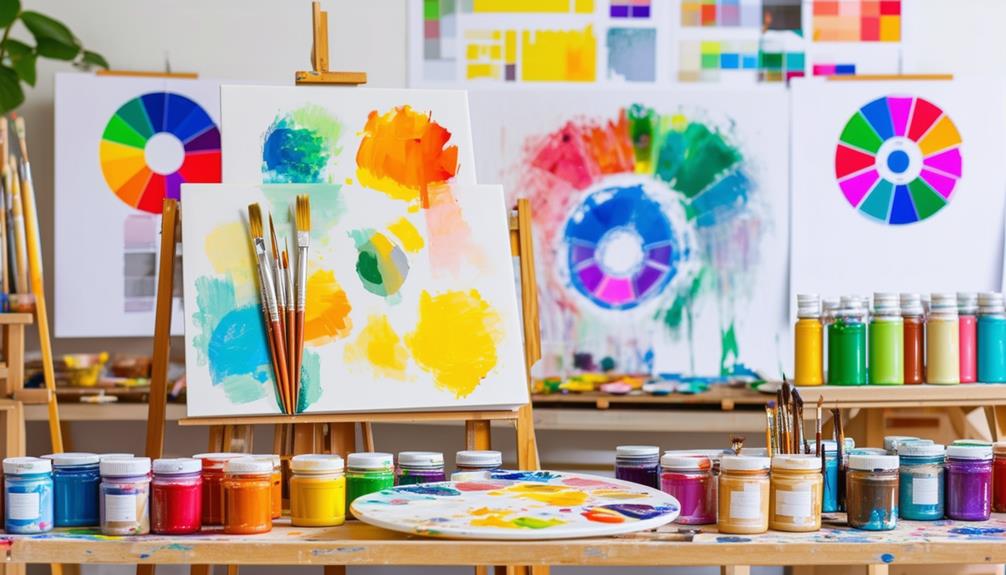
To ensure a smooth painting session, gather essential supplies like art aprons, primary-colored paints, and sturdy bowls in advance. This preparation ensures that children can immediately begin exploring color theory without any delays. Primary colors—red, blue, and yellow—are vital as they form the basis for creating secondary colors, so ensure you have plenty of these paints.
Using construction paper or fingerpainting paper provides an ideal surface for children to experiment with color mixing. Encourage them to use paintbrushes to blend primary colors and discover the magic of creating new hues, such as mixing blue and yellow to make green or red and blue to form purple.
Art aprons are essential to minimize mess and facilitate easier cleanup. Designate a specific area where the artwork can dry safely. This not only prevents smudges but also allows the children's creations to be displayed and appreciated.