
Can Kinetic Sand Get Wet?
Kinetic Sand can get wet, but it may not maintain its unique properties afterward. While it doesn't dissolve in water, exposure to moisture can cause clumping and a sticky texture, making it less ideal for play. Proper handling and storage are essential to maintain its quality. If your Kinetic Sand does get wet, you can restore it by drying it out. Spread the sand evenly on a flat surface and let it air dry for a few hours. Stirring it occasionally can speed up the drying process. Following these best practices will help keep your Kinetic Sand in optimal condition.
Understanding Kinetic Sand
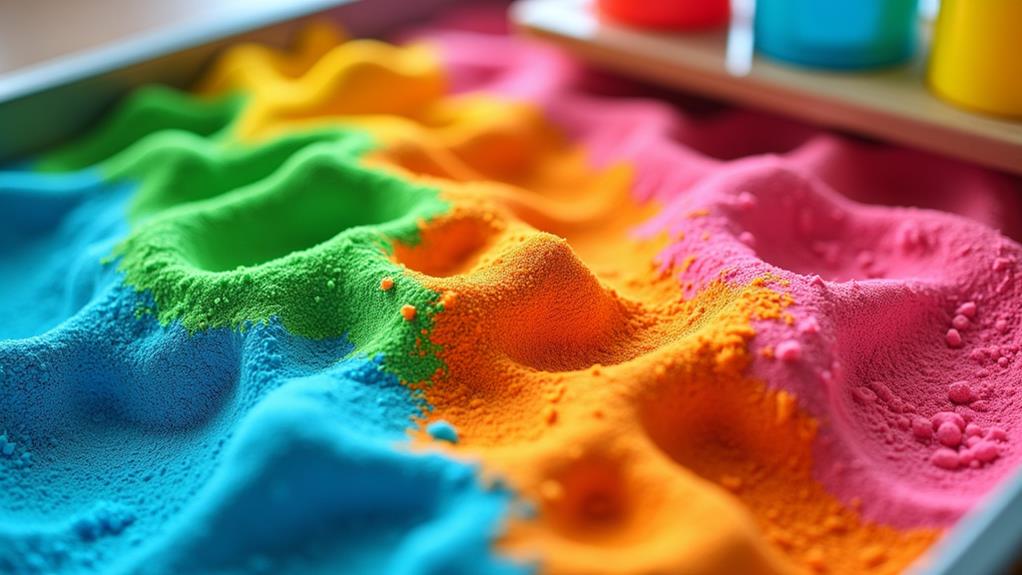
Kinetic Sand is a unique material that mimics the properties of wet sand but offers some distinct advantages. Unlike regular sand, Kinetic Sand sticks to itself, making it easy to mold and shape without leaving any residue on your hands or surfaces. It feels silky and soft as it flows through your fingers, providing a soothing sensory experience for both children and adults.
When Kinetic Sand gets wet, it doesn't dissolve like regular sand. Instead, it clumps together and its texture changes, becoming more compact and less flowy. This change is temporary; you can let it air dry to restore its original texture.
Kinetic Sand is non-toxic, gluten-free, and safe for children over six years old, making it ideal for creative activities. It also comes in a variety of vibrant colors, enhancing the fun of imaginative play. Even if it gets wet, it remains a versatile and enjoyable material for endless hours of creativity.
Sensitivity to Moisture
Kinetic Sand has unique properties that are highly sensitive to moisture. The sand maintains its ideal texture and pliability at around 60% humidity. However, exposure to excess moisture can cause Kinetic Sand to become clumpy and sticky, as the additional water makes the sand particles bind together more tightly, disrupting its smooth, flowing nature.
If your Kinetic Sand becomes wet, it won't dissolve but will clump together, losing its original form. To restore it, air drying is the best option. Spread the sand out in a thin layer and let it dry naturally, avoiding direct sunlight to prevent uneven drying or potential damage. To prevent moisture-related issues, monitor humidity levels and store Kinetic Sand in airtight containers. By managing its sensitivity to moisture, you can ensure that your Kinetic Sand remains fun and functional.
Impact of Excess Water
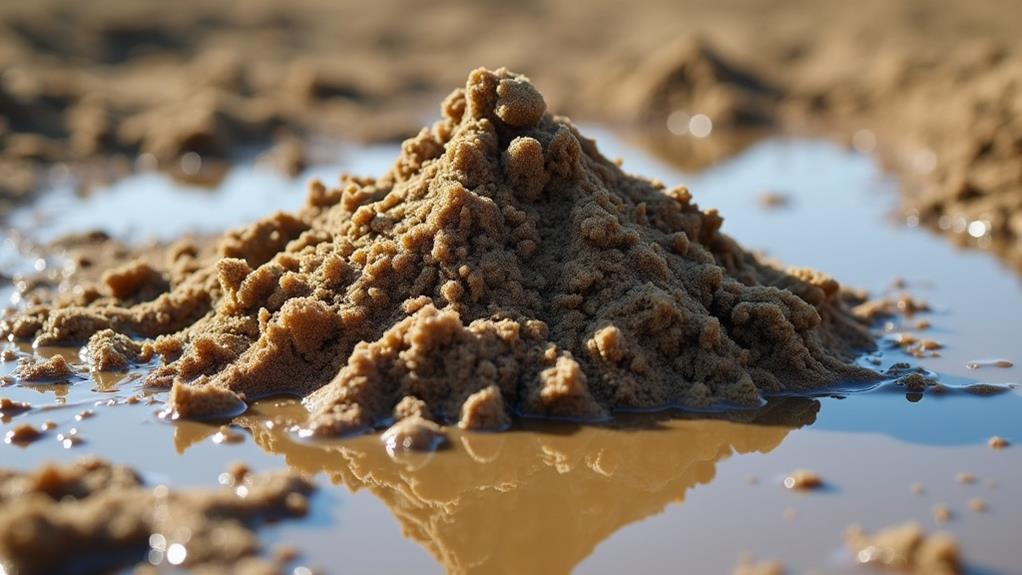
Excess water can significantly alter the texture of your Kinetic Sand, transforming its smooth, flowing consistency into a sticky, clumpy mess. Although Kinetic Sand doesn't dissolve in water, it becomes much harder to manipulate when overly wet. You'll find it feels heavy and loses its characteristic silky feel. The surplus water causes the sand particles to clump together, making playtime far less enjoyable.
To remedy this, air drying is the most effective method. Spread the sand out in a thin layer and let it dry naturally. This process can take several hours depending on the moisture content. It's crucial to avoid direct sunlight during air drying, as excessive heat can further damage the sand's texture, complicating its restoration.
Once the Kinetic Sand is fully dried, it generally returns to its original, non-sticky, smooth form, allowing you to enjoy its unique, moldable texture again. Therefore, if your Kinetic Sand gets wet, remain patient and follow proper drying techniques to restore it to its optimal state.
Restoring Wet Sand
To restore wet Kinetic Sand to its original moldable state, follow these steps:
- Spread Evenly: Lay the wet Kinetic Sand on a flat surface, ensuring it is evenly spread to maximize air exposure.
- Avoid Direct Sunlight: Allow the sand to air dry in a shaded area to prevent damage from direct sunlight or heat sources.
- Use a Fan: To accelerate drying and reduce clumping, use a fan to improve air circulation.
- Monitor Regularly: Check the sand's moisture level periodically. Once dry, it should return to its non-sticky, original texture.
Store Kinetic Sand in an airtight container to prevent future moisture issues. Promptly addressing wetness and allowing proper air drying will keep the sand fun and moldable for creative activities.
Drying Techniques
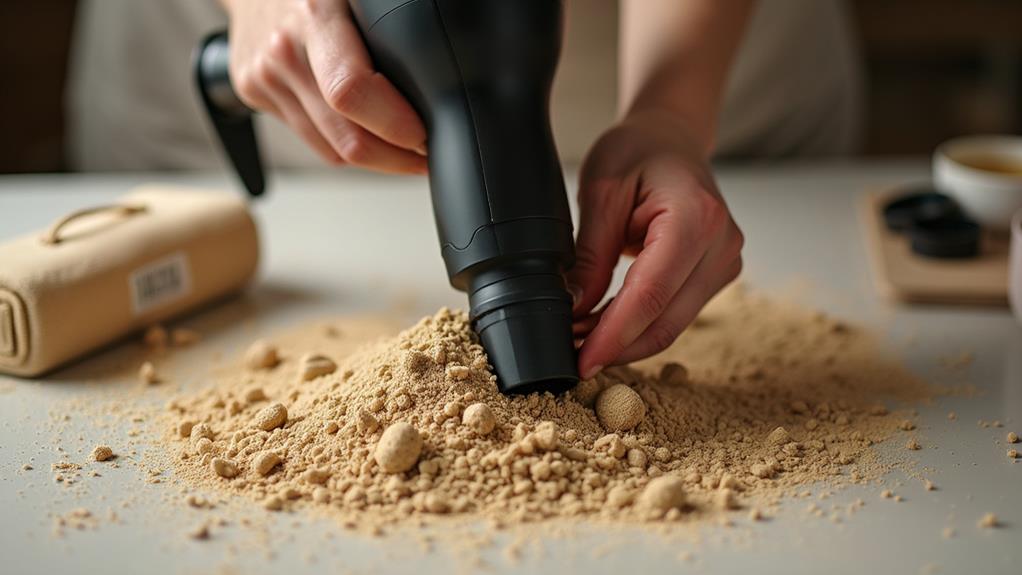
To dry wet Kinetic Sand, spread it evenly on a flat surface to enhance air circulation. Avoid direct sunlight or heat sources, as they can alter the sand's texture. Depending on the moisture level, drying times will vary, so check periodically until it returns to its original state.
Air Drying Process
To restore wet Kinetic Sand to its original texture, follow these air drying steps carefully to ensure it becomes non-sticky.
- Spread Evenly: Lay the wet Kinetic Sand in a uniform layer on a flat surface. This ensures optimal air circulation for an even drying process.
- Monitor Drying Time: Drying time varies based on moisture levels, typically taking several hours. Regularly inspect the sand to ensure it is drying consistently and not clumping.
- Avoid Heat Sources: Resist the urge to speed up drying using direct sunlight or other heat sources, as overheating can damage the sand's properties.
- Promote Even Drying: Occasionally stir or flip the sand to ensure uniform drying and prevent any sections from sticking or overdrying.
Avoid Direct Sunlight
Drying wet Kinetic Sand under direct sunlight might seem like a quick fix, but it can be detrimental. Overheating from direct sunlight can alter the sand's texture and cause uneven drying. Some areas may become too dry while others remain damp, making the sand difficult to work with.
Instead, air dry the Kinetic Sand in a shaded area with good air circulation. Spread it on a flat surface in a well-ventilated space to ensure even drying and maintain its original texture. This method allows air to circulate freely around the sand, resulting in uniform drying.
Monitor the drying process closely, as drying times vary based on the sand's wetness and environmental conditions. By avoiding direct sunlight and opting for air drying, you will preserve the quality and usability of your Kinetic Sand.
Restoration Timeframe
Restoring wet Kinetic Sand to its optimal state involves careful drying techniques:
- Spread Evenly: Lay the wet Kinetic Sand on a flat surface in a thin, even layer to maximize air exposure. This helps moisture evaporate efficiently and typically takes several hours, depending on the sand's wetness.
- Use a Fan: Enhance air circulation by placing a fan near the sand. Continuous airflow speeds up the drying process. Ensure the fan's strength is moderate to prevent scattering the sand.
- Monitor Continuously: Regularly check the sand during drying. If clumping or excess moisture appears, allow more time. Stirring occasionally ensures even drying and prevents clumps.
- Avoid Direct Sunlight: Direct sunlight can overheat and alter the sand's texture. Instead, dry the sand in a well-ventilated indoor area to maintain its original properties.
Managing Dry Sand
Maintaining the ideal texture of Kinetic Sand can be challenging, especially when it becomes dry and crumbly. To restore its original state, manage the moisture content carefully. Start by adding a few drops of water using an eyedropper for precise moisture application, ensuring you don't oversaturate the sand. After adding the water, mix the sand thoroughly to ensure even distribution of moisture, which is vital to bring back its moldable and cohesive properties.
Regularly checking the sand's condition is fundamental. Dry sand not only affects the quality of play but also the sensory experience. If you notice the sand getting crumbly, intervene with extra moisture. Proper storage is another key factor in managing dry Kinetic Sand. Keeping it in an airtight container helps maintain the necessary moisture levels, preventing it from drying out too quickly.
Troubleshooting Issues
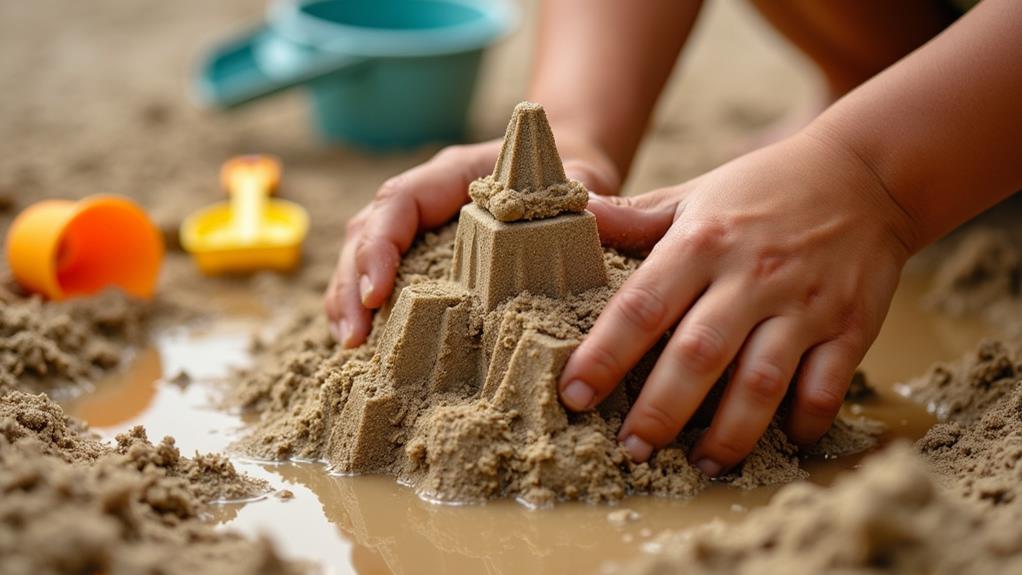
Troubleshooting issues with Kinetic Sand often involves addressing unexpected moisture or clumping. If your sand becomes wet, it may lose its smooth, moldable texture. Here's how to effectively troubleshoot this problem:
- Air Dry: Spread the wet kinetic sand on a flat surface and allow it to air dry thoroughly. This process may take some time, so be patient. To speed up drying, you can use a fan but avoid direct sunlight to prevent overheating.
- Check for Moisture: After drying, inspect the sand regularly to ensure it hasn't retained any moisture. Clumping indicates it's still damp. Repeat the air-drying process if necessary.
- Proper Storage: Store your kinetic sand in a dry, airtight container to prevent future moisture issues. Regularly check the container to ensure it remains dry.
- Customer Care: If texture issues persist even after thorough drying, contact Customer Care for additional troubleshooting steps or a possible replacement if your product is defective.
Proper Storage Tips
To keep your Kinetic Sand in optimal condition, store it in a dry, airtight container. This prevents moisture absorption, which can alter its texture. Choose a high-quality container with a tight seal to ensure no air or moisture enters.
Store the sand in a cool, dry place. Avoid humid conditions and direct sunlight, as these can degrade the sand's quality. Keep it away from heat sources, as extreme temperatures can affect its properties and consistency.
Regularly check the storage container for signs of moisture. If you notice any condensation or dampness, address it immediately to maintain the sand's usability.
Here's a handy table summarizing these tips:
| Tip | Description |
|---|---|
| Use an Airtight Container | Prevents moisture absorption and maintains texture |
| Keep in a Cool Environment | Avoids degradation from heat and humidity |
| Regularly Inspect Storage | Ensures no moisture has infiltrated |
Maintenance Best Practices
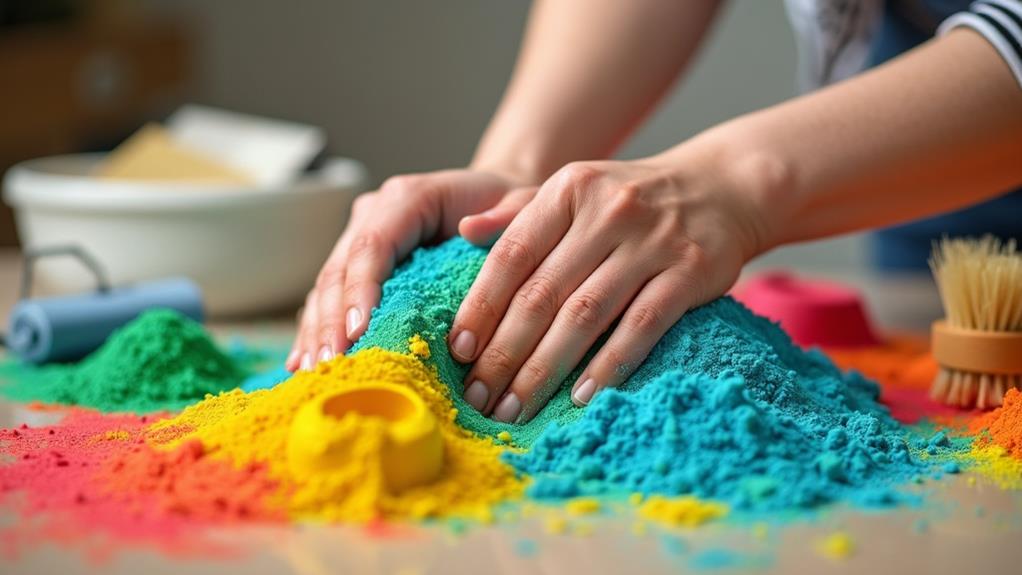
To maintain your kinetic sand in optimal condition, store it in an airtight container to prevent moisture absorption. Regularly check the sand and monitor the environmental humidity, aiming for around 60% to keep its ideal consistency. If the sand becomes too wet or dry, place it in a cool, dry area or add a few drops of water to restore its texture.
Proper Storage Techniques
To keep your Kinetic Sand in optimal condition, follow these essential storage tips:
- Airtight Container: Store the sand in a dry, airtight container to prevent moisture from compromising its soft and moldable texture. An airtight seal is crucial to maintaining its consistency.
- Avoid Humidity: Keep the sand in a cool, dry place away from humid environments. Humidity can cause clumping and degrade its unique feel.
- Stable Temperature: Ensure the storage area has a consistent temperature. Extreme fluctuations can negatively impact the sand's texture.
- Separate Storage: Do not mix Kinetic Sand with other materials. Mixing can alter its properties and reduce its usability. Keep it stored separately to preserve its original texture.
Humidity Monitoring Tips
Maintaining the optimal texture of your Kinetic Sand involves more than just proper storage; monitoring humidity levels is equally crucial. Regularly check the humidity in your environment, aiming for around 60% to keep your Kinetic Sand in prime condition. Humidity levels that are too high or too low can affect the sand's consistency, making it either too wet or too dry.
Always store your Kinetic Sand in airtight containers to minimize moisture absorption and protect it from humidity fluctuations. If you notice changes in texture, first assess the humidity levels. If the sand feels too wet, air drying it can help restore its consistency.
Avoid placing your Kinetic Sand in areas prone to high humidity or temperature extremes, as these conditions can deteriorate its quality and usability over time. After each play session, monitor the sand's condition. If it seems too wet due to environmental factors, use a fan for quicker drying.
Drying and Restoration
When Kinetic Sand gets wet, it loses its ideal texture, becoming sticky and clumpy. To restore its unique, silky feel, follow these steps for proper drying and restoration:
- Air Drying: Spread the wet Kinetic Sand on a flat surface to air dry. This method effectively removes moisture without the risk of overheating. Avoid direct sunlight or heat sources, as they can damage the sand's properties. The drying process may take a few hours, so be patient.
- Monitor Dryness: Once the sand is dry, it should return to its original, non-sticky state. If it remains clumpy, further drying might be necessary. Using a fan can expedite this process, restoring the sand's texture more quickly.
Preventing Future Moisture Issues
- Airtight Storage: Store Kinetic Sand in airtight containers to prevent moisture exposure.
- Humidity Control: Regularly monitor humidity levels in the storage area.
Seeking Customer Support
If you're experiencing issues with your Kinetic Sand, such as changes in texture due to moisture, reaching out to Customer Support is your best option. Customer Care is available to assist with any persistent problems, including texture alterations due to moisture exposure. You can contact the support team via phone or online inquiries, ensuring your specific concerns are effectively addressed.
Before contacting support, it might be helpful to check the FAQ section on the Kinetic Sand website. The FAQs provide valuable guidance on common issues, including how to handle wet or dry sand. This section may offer quick solutions, saving you time and effort.
When contacting Customer Care, be prepared for varying response times, as they depend on the volume of inquiries received. For urgent issues, it's recommended to contact them promptly. The support team is highly knowledgeable about Kinetic Sand properties and can offer tailored advice to resolve your concerns.
Don't hesitate to seek help if your Kinetic Sand's texture has changed due to moisture. The Customer Care team is there to ensure you get the most out of your Kinetic Sand experience.